



2026
Sex after baby
Returning to sex and intimacy as a couple after the birth: ways to grow closer, when to resume, the medical guidance, and why communication matters.
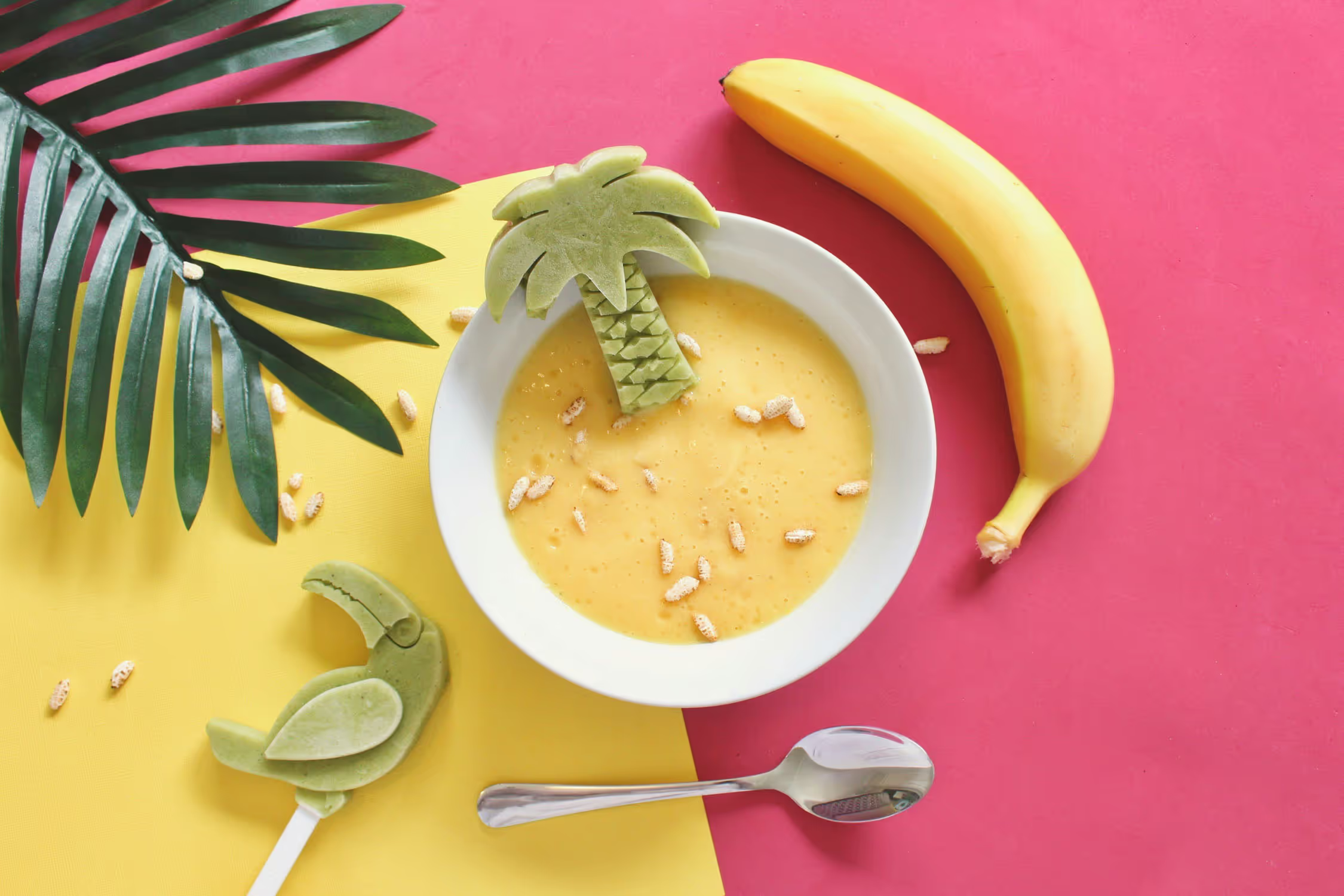
Sharing feeding responsibilities: parent and child Sharing responsibilities around feeding is a fundamental concept for developing a healthy relationship with food. This model, developed by Ellyn Satter, a dietitian and family therapist, offers a balanced approach that respects both the child's needs and the parent's role.
Parents have three main responsibilities when it comes to feeding: Deciding WHAT to offer: choosing nutritious, varied foods Deciding WHEN to offer it: setting meal and snack times Deciding WHERE: creating a pleasant environment for meals Parents are responsible for providing a variety of healthy foods, but should not force, beg or negotiate to get their child to eat.
The child has two responsibilities: Deciding WHETHER to eat: honouring their hunger Deciding HOW MUCH to eat: honouring their fullness From birth, babies are able to regulate their own food intake. Trusting this innate ability is essential to preventing future feeding problems.
This approach supports: Your child's independence A positive relationship with food The development of appetite regulation The prevention of eating disorders Less stress at mealtimes A child who grows up with this approach learns to trust their hunger and fullness cues, a skill that will last a lifetime.
Several practices get in the way of a healthy relationship with food: Forcing your child to clean their plate Using food as a reward or punishment Strictly limiting access to certain foods Labelling foods as "good" and "bad" Turning meals into a battleground Comparing your child to others These behaviours can create anxiety around food and disrupt natural hunger and fullness cues.
To support a healthy relationship with food: Offer meals and snacks at regular times Eat as a family as often as you can Keep meals pleasant and relaxed Model a positive attitude toward all foods Avoid distractions (TV, tablets) during meals Let your child serve themselves (with age-appropriate portions)
It is normal for a child to refuse foods, particularly between 18 months and 3 years. When faced with refusals: Stay neutral and calm Keep offering the food without pressure It can take 10-15 exposures before acceptance Present the food in different ways Do not cook separate meals Always include at least one food your child likes
Learn to recognize your child's cues: Hunger cues: Irritability, restlessness Bringing hands to the mouth Paying attention to food Leaning toward food Fullness cues: Slowing down the pace of eating Losing interest in food Closing the mouth Pushing the plate away Wanting to get out of the chair
Intuitive eating is the ability to eat in response to internal hunger and fullness cues rather than to external factors. Children are born with this ability, but it can be disrupted by: Rigid food rules Diets Restrictions Pressure to eat Preserving this ability is one of the finest gifts you can give your child.
There are no "bad" foods. All foods can be part of a balanced diet. Rather than banning certain foods: Offer mainly nutritious foods Include treats now and then Do not make a big deal out of sweets Normalize all foods This approach prevents obsession with forbidden foods and supports natural moderation.
Children learn more from watching than from being told. Be a role model: Eat a variety of foods Show that you enjoy eating Avoid negative comments about your body or about foods Honour your own hunger and fullness cues Keep a relaxed attitude toward food
See a health professional if: Your child refuses to eat for several days They are losing weight or not growing normally You notice concerning eating behaviours Meals are a major source of family stress You have ongoing worries
To build a healthy relationship with food: Respect the sharing of responsibilities Trust your child's cues Create a positive environment at mealtimes Be a positive role model Avoid pressure and restrictions Normalize all foods Be patient and consistent Healthy eating habits are built over the long term. By respecting this sharing of responsibilities and trusting your child, you help them build a positive, lasting relationship with food.
The prenato.ca website and the comprehensive information it contains are intended as practical tools for expectant and new parents, as well as for women throughout the various stages of their lives. This information is not intended to replace the skills, knowledge, or experience of qualified healthcare professionals who are familiar with the specific facts, circumstances, and symptoms of each individual. Consequently, Prenato and its staff cannot be held liable for any adverse effects or consequences resulting from the use of the information provided on this site. It is the user's responsibility to consult a physician or a qualified healthcare professional appropriate to their specific needs for any personal health concerns.
Returning to sex and intimacy as a couple after the birth: ways to grow closer, when to resume, the medical guidance, and why communication matters.
Immerse yourself in the adventure of your pregnancy and follow your baby's journey through our personalized emails. Every two weeks, receive updates that are unique and tailored to your pregnancy, allowing you to track your little one's growth and development stages. Take advantage of valuable advice and information to accompany each magical moment of this adventure!
Prenato needs the contact information you provide to us in order to contact you about our products and services. You can unsubscribe from these communications at any time. See our Privacy Policy to learn more about how we unsubscribe, as well as our privacy policies and our commitment to protection and privacy.

From motherhood to menopause, Prenato accompanies each stage of your life with kindness, expertise and innovation.