













Benefits
Why choose Prenato?


Give yourself peace of mind from the first trimester of pregnancy.
At Prenato, it is possible to perform various tests to obtain answers more quickly during pregnancy. Whether it is to detect certain chromosomal conditions, quickly know the sex of your baby or determine the risk of developing preeclampsia during pregnancy, our team is there to support you according to your needs.
*Note that a prescription is required for some screenings.
Nuchal translucency offered as an option ($) - an ultrasound appointment should be scheduled.
Nuchal translucency offered as an option ($) - an ultrasound appointment should be scheduled.
Who is this screening for?

Fetal DNA screening is recommended for all pregnant people who want to perform prenatal screening with maximum accuracy, unless there is a specific indication that requires a diagnostic examination (e.g., amniocentesis).
It is possible to do this test to:
Additional options
➕ Sex chromosome abnormalities
This screening makes it possible to identify certain sex chromosome aneuploidies, including Turner syndrome (XO), the Klinefelter syndrome (XXY) or other chromosomal variations.
These conditions are not associated with major intellectual disability or severe physical malformations (except for an increased risk of cardiac abnormalities in the case of Turner syndrome). However, they can lead to:
[See the explanatory table for sex chromosome abnormalities]
➕ Microdeletions
Microdeletions are losses of small DNA fragments on a chromosome, which can lead to developmental disorders, learning delays, or certain other malformations.
Unlike trisomies, these conditions present a great deal of clinical variability: some people may live with a mild and low-symptomatic form, while others may have more significant manifestations.
Among the microdeletions that can be detected, we find in particular:
➕ Aneuploidies on all 23 pairs of chromosomes
Some packages include expanded screening to include all of the chromosomes. This would make it possible to detect possible rarer trisomies or monosomies.
Why do fetal DNA screening?
To get a quick, accurate and risk-free screening.
Fetal DNA screening is a non-invasive blood test performed on a pregnant person. It makes it possible to detect certain chromosomal abnormalities, in particular trisomies 13, 18 and 21, by analyzing fragments of placental DNA circulating freely in maternal blood.
If you wish, this test also allows you to know the sex of your baby with great precision.
This test identifies whether the baby is at high or low risk of carrying any of these abnormalities. It is not a diagnostic test, but a screening with a high level of precision.
If your prescription allows it, it may be possible to add screening for other chromosomal conditions to the test. However, be aware that Canadian medical societies recommend fetal DNA screening for major trisomies only.
When can I get tested?
Fetal DNA screening can be performed from the 10th week of pregnancy.
However, it is recommended to do an ultrasound beforehand (after the 7th week) to:
For women weighing more than 100 kg, it is best to wait until around the 12th week in order to increase the chances of obtaining a successful result (since excess weight may decrease the quantity of detectable fetal DNA).
How reliable and accurate is fetal DNA screening?
Prenatal fetal DNA screening is recognized for its high reliability, in particular for trisomy 21. It is currently the most accurate screening test available for the main trisomies. A low risk result means that the fetus is very unlikely to have any of these abnormalities. This often helps to avoid unnecessary invasive tests.
On the other hand, a result that indicates a high risk does not mean that the baby is necessarily affected. This type of result requires a confirmatory diagnostic test (such as amniocentesis or trophoblast biopsy). Sometimes a false positive can be caused by:
In some cases, the test may be inconclusive, that is, no reliable result can be issued. This may be due to:
Depending on the context, a Resuming the test may be proposed, but the decision will be made in collaboration with your health professional and according to laboratory recommendations.
Curious to know if baby will be a little girl or a little boy? This test allows you to know the fetal sex as early as 7th week of pregnancy, thanks to a simple blood sample. Offered in all our Prenato clinics, it is a way quick and easy to discover a little secret about your pregnancy, while remaining reliable and safe.
You do not have a prescription for this test? Good news, Prenato can provide you with one!
Curious to know if baby will be a little girl or a little boy? This test allows you to know the fetal sex as early as 7th week of pregnancy, thanks to a simple blood sample. Offered in all our Prenato clinics, it is a way quick and easy to discover a little secret about your pregnancy, while remaining reliable and safe.
You do not have a prescription for this test? Good news, Prenato can provide you with one!
What is the best time to schedule the appointment?
The test can be done as early as 7th week of pregnancy.
It is recommended to have done an ultrasound beforehand to confirm the gestational age, to check if it is a single or twin pregnancy and ensure that the pregnancy is progressing well. However, The ultrasound is not not mandatory to proceed with this test.
How many days will it take for me to get the results?
The results are generally available within 72 working hours, following the sampling.
Is a prescription required?
Yes, a prescription is required to perform the test. Although it is a recreational test, the nurse who will perform your test must obtain a prescription to take the blood sample. The prescription must contain the following statement: determination of fetal sex by blood sampling.
Prenato can provide you with a prescription for this test. Contact us.
Can I send the results to someone close to me?
Yes, you can enter the email of your choice to receive the results.
Is it possible to take the test if I am pregnant with twins?
Absolutely! However, the results must be interpreted according to the type of twin pregnancy. The absence of a Y chromosome will indicate the presence of 2 female babies. The presence of a Y chromosome will indicate the presence of at least one male baby.
Preeclampsia is a pregnancy complication that can occur after the 20th week. It affects about 1% of pregnant people (compared to 5 to 6% for gestational hypertension) and represents an important cause of complications, including preterm birth. Since symptoms often occur when it is too late to prevent risks, preventive management is essential.
Good news: screening for the risk of preeclampsia is now possible as early as the first trimester, between 11th And the 14th week of pregnancy, and is carried out using a single blood test.
Preeclampsia is a pregnancy complication that can occur after the 20th week. It affects about 1% of pregnant people (compared to 5 to 6% for gestational hypertension) and represents an important cause of complications, including preterm birth. Since symptoms often occur when it is too late to prevent risks, preventive management is essential.
Good news: screening for the risk of preeclampsia is now possible as early as the first trimester, between 11th And the 14th week of pregnancy, and is carried out using a single blood test.
Why is a screening test recommended?
Since 2022, the SOGC has recommended screening for the risk of preeclampsia. This screening should be done between the 11th and 14th weeks of pregnancy.
Several data are needed to determine the risk of developing preeclampsia. This service includes:
References
Grégoire, J., Leclerc, C. and Rheault, C. (2014). Memo-perinatal care, practical guide (3rd ed.). Les Éditions Cahiers Mémos Enr.
Get screened for preeclampsia at Prenato
Prenato has long offered a risk calculation for preeclampsia. This screening is especially for women who do not have high risk factors (since women at moderate or high risk are already advised to take aspirin (AAS)).
Note that, to have access to this screening, a nuchal translucency ultrasound and a prenatal screening are mandatory. A valid prescription is also required for this screening.
Is the test reliable?
According to the Fetal Medicine Foundation, this screening would detect about 90% of women who will develop preeclampsia before the 32nd week, and nearly 75% of those who will develop preeclampsia before the 37th week of pregnancy.
Although several global medical companies recognize the value and the advantage of this screening, it is currently not offered in the public network in Quebec. As a result, few health professionals are aware of these recommendations and the availability of this test offered at Prenato.
What is the best way to prevent preeclampsia?
For women at high risk, daily intake of aspirin (acetylsalicylic acid - AAS) at a low dose (81 or 162 mg) is recommended, preferably before the 16th week of pregnancy, and up to the 36th week of pregnancy. In this situation, according to the Fetal Medicine Foundation, taking aspirin would reduce the risk of developing preeclampsia by up to about 90% before the 32nd week, and up to 60% the risk of developing preeclampsia before the 37th week.
According to current literature, the use of aspirin would not reduce the risk of developing preeclampsia after the 37th week.
What is preeclampsia?
Preeclampsia is a dreaded complication of pregnancy. It is manifested by high blood pressure and can sometimes be accompanied by the presence of proteins in the urine, organ damage in pregnant women and poor circulation between the uterus and the placenta. Among other things, it can be accompanied by signs and symptoms such as headaches, visual disturbances, pain under the chest, or swelling throughout the body.
If left untreated, preeclampsia can develop into severe form (eclampsia, HELLP syndrome) and lead to serious consequences, such as delayed growth in the baby, premature birth, kidney or liver damage in the mother, or even a vital risk for the mother and child. The only possible treatment for preeclampsia is delivery, which is sometimes necessary very early in pregnancy.
*Note: A $30 fee will be applied when the file is opened and analyzed. A valid prescription is required for all screening tests.
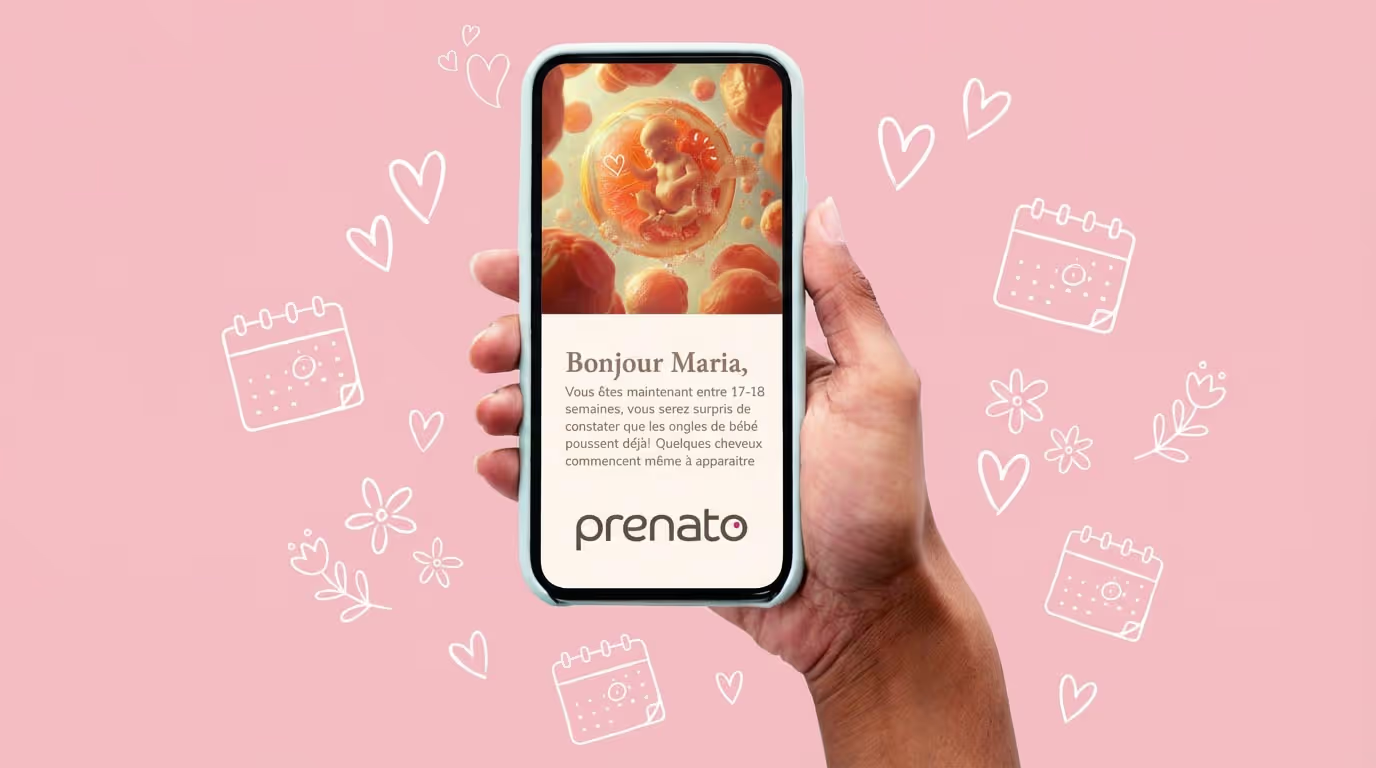
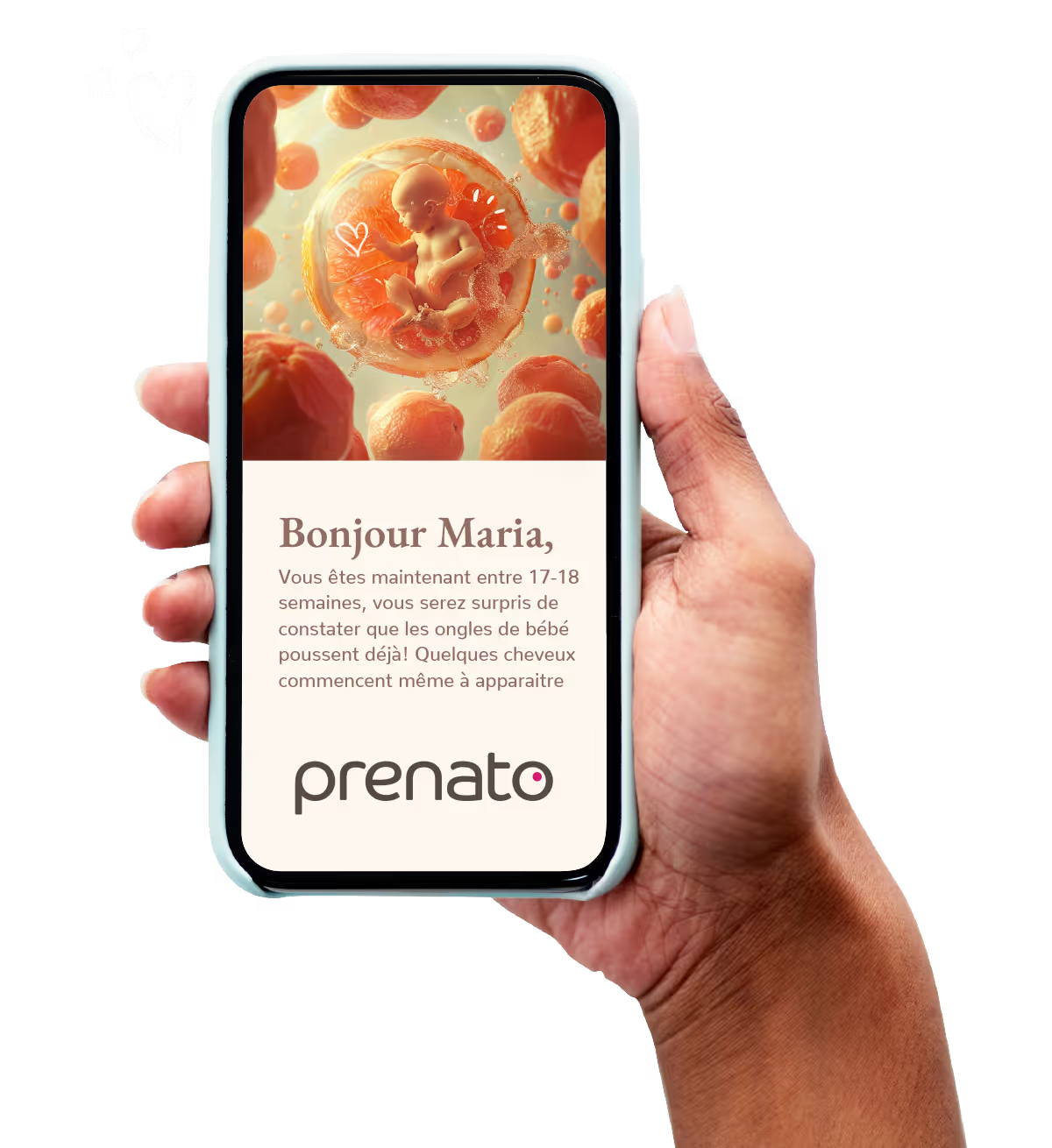
Immerse yourself in the adventure of your pregnancy and follow your baby's journey through our personalized emails. Every two weeks, receive updates that are unique and tailored to your pregnancy, allowing you to track your little one's growth and development stages. Take advantage of valuable advice and information to accompany each magical moment of this adventure!
Prenato needs the contact information you provide to us in order to contact you about our products and services. You can unsubscribe from these communications at any time. See our Privacy Policy to learn more about how we unsubscribe, as well as our privacy policies and our commitment to protection and privacy.
Select your clinic and the date that is convenient for you. If you want to combine your appointment with an ultrasound or a routine checkup, contact us by phone.
A time slot of 20 to 30 minutes is reserved in order to properly answer your questions and to explain to you the test you have chosen.
Samples are processed in approved laboratories.
The normal results will be communicated to you directly according to the method agreed with you during the consultation.
If your result is abnormal, we will do our best to ensure that your treating professional gets your results quickly in order to allow you to receive rapid treatment. Our team will then follow up with you to answer your questions.
Do I need a medical prescription?
Yes. A prescription is mandatory before performing a prenatal screening test.
Is fetal DNA testing safe?
Yes The test is done from a simple blood test and does not present any risk for the mother and the baby.
Are these tests covered?
Several insurance companies cover in whole or in part the cost of some screenings Check with your insurance company to find out what coverage you have. You can also keep your bill for your next tax return.
Can I know the gender of my baby?
Yes. Some fetal DNA screening packages include determining the sex of your baby. It is also possible to perform a test that only determines the sex of your child.
What is the best time to have a prenatal screening?
Fetal DNA screening can be done From the 10th week of pregnancy. However, it is recommended to have had an ultrasound before this test.

Trisomy 13 (Patau syndrome): prenatal screening, diagnosis and support.

Trisomy 18 (Edwards syndrome): what parents need to know about screening.

Trisomy 21 (Down syndrome): understanding screening, outcomes, and options.

Prenato's prenatal fetal DNA screening offers you the fastest results in Quebec.

Prenato fetal DNA screening is available everywhere in Quebec, even in remote areas.

Are Prenato services tax deductible? Yes! Here's how to claim your medical expenses.

If your serum markers indicate a high risk, fetal DNA is offered to you free of charge.
Why choose Prenato?

Our team of doctors, gynecologists, technologists and nurses has been supporting women for over 10 years.

Each woman is unique. We adapt our follow-ups and advice to your age, your needs and your health priorities.

Fast fetal DNA screening, 2D/3D/4D ultrasound scans and digital tools for reliable and modern monitoring.

Our clinics offer a reassuring, human and attentive environment, designed for the comfort of patients and their families.

More than 100,000 families supported in Quebec attest to the quality and humanity of our services.

Fast online appointment scheduling, teleconsultations available and clinics in several regions.
Lead clinical nurse - Quebec Clinic
Clinical nurse coordinator - Quebec Clinic
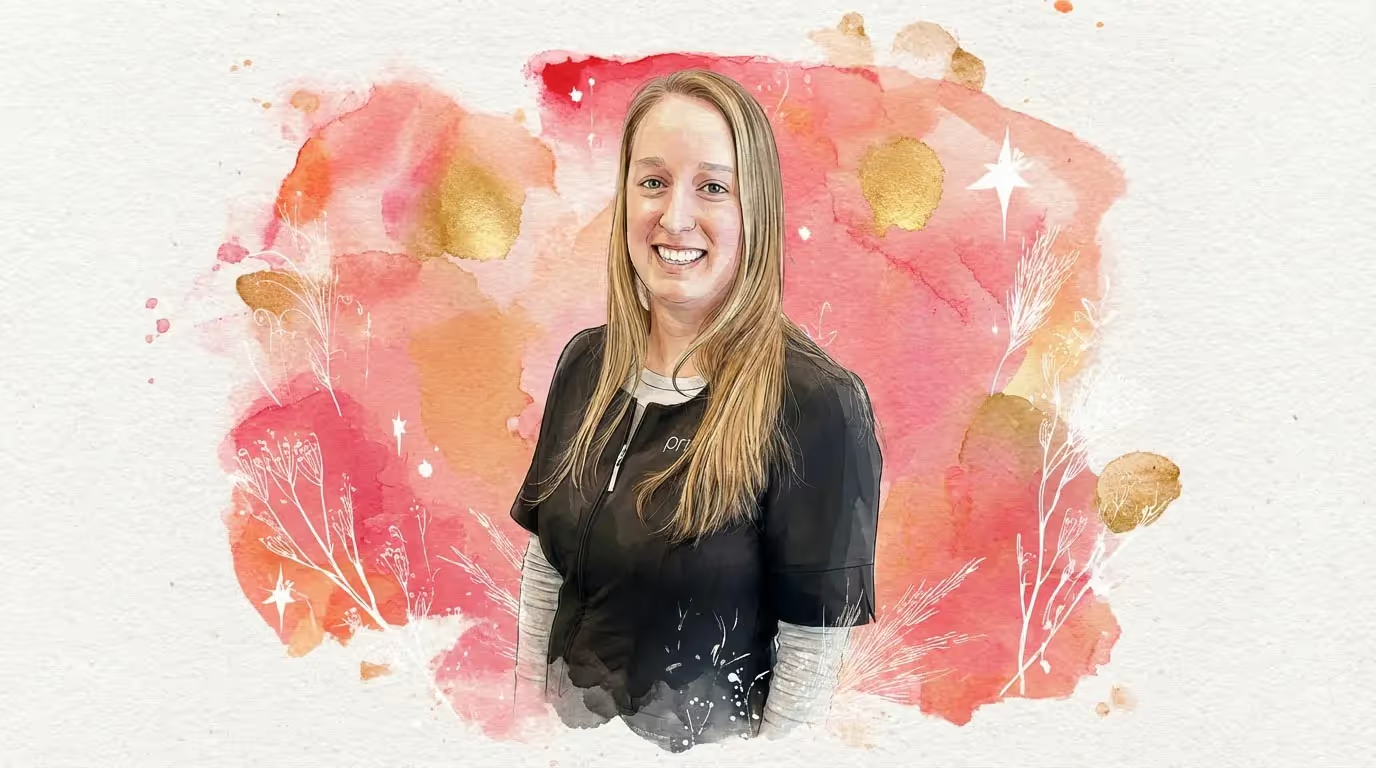
Clinical nurse - Quebec Clinic

Clinical nurse - Quebec Clinic

Lead nurse - Brossard Clinic

Infirmière clinicienne - Clinique Québec

Nursing assistant - Quebec Clinic

Clinical nurse - Quebec Clinic

3D designer and nursing assistant - Chicoutimi Clinic
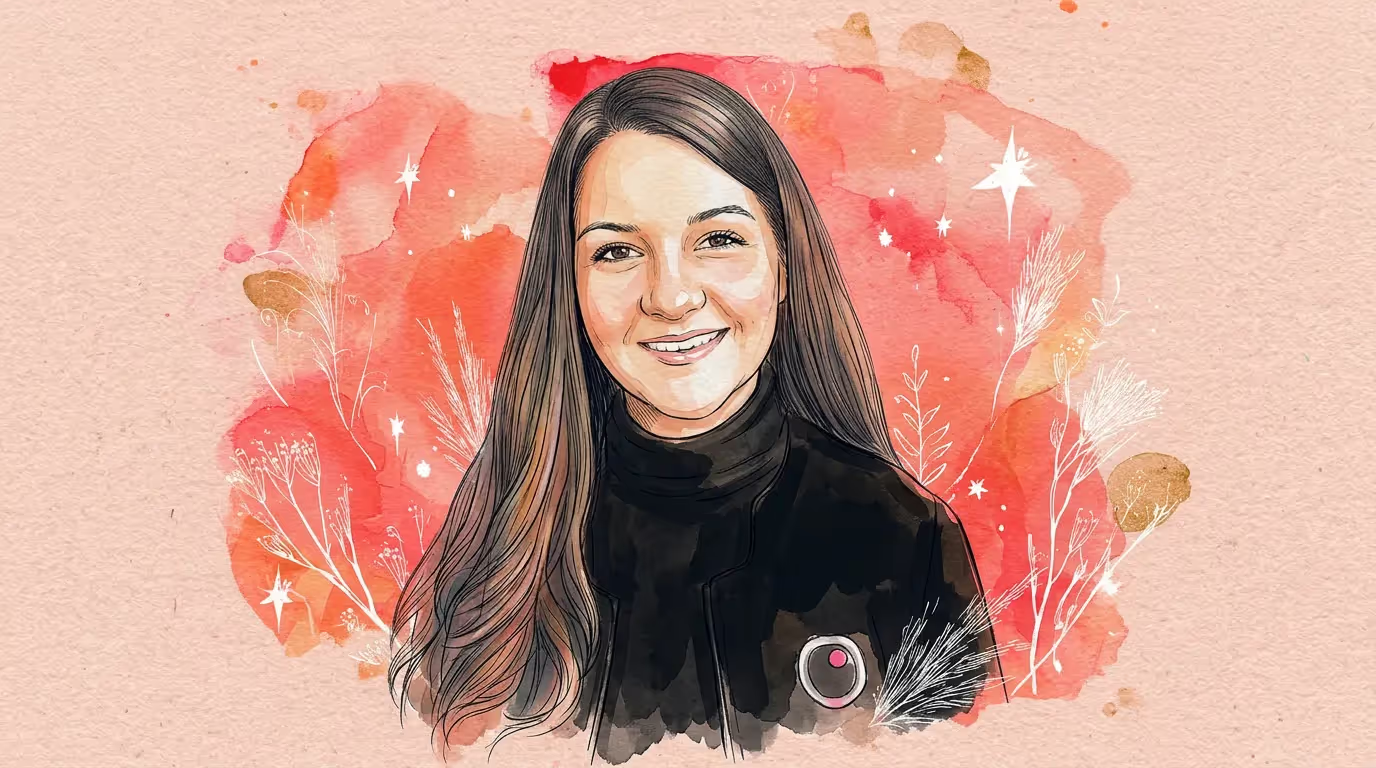
Clinical nurse - Partner clinic and Quebec
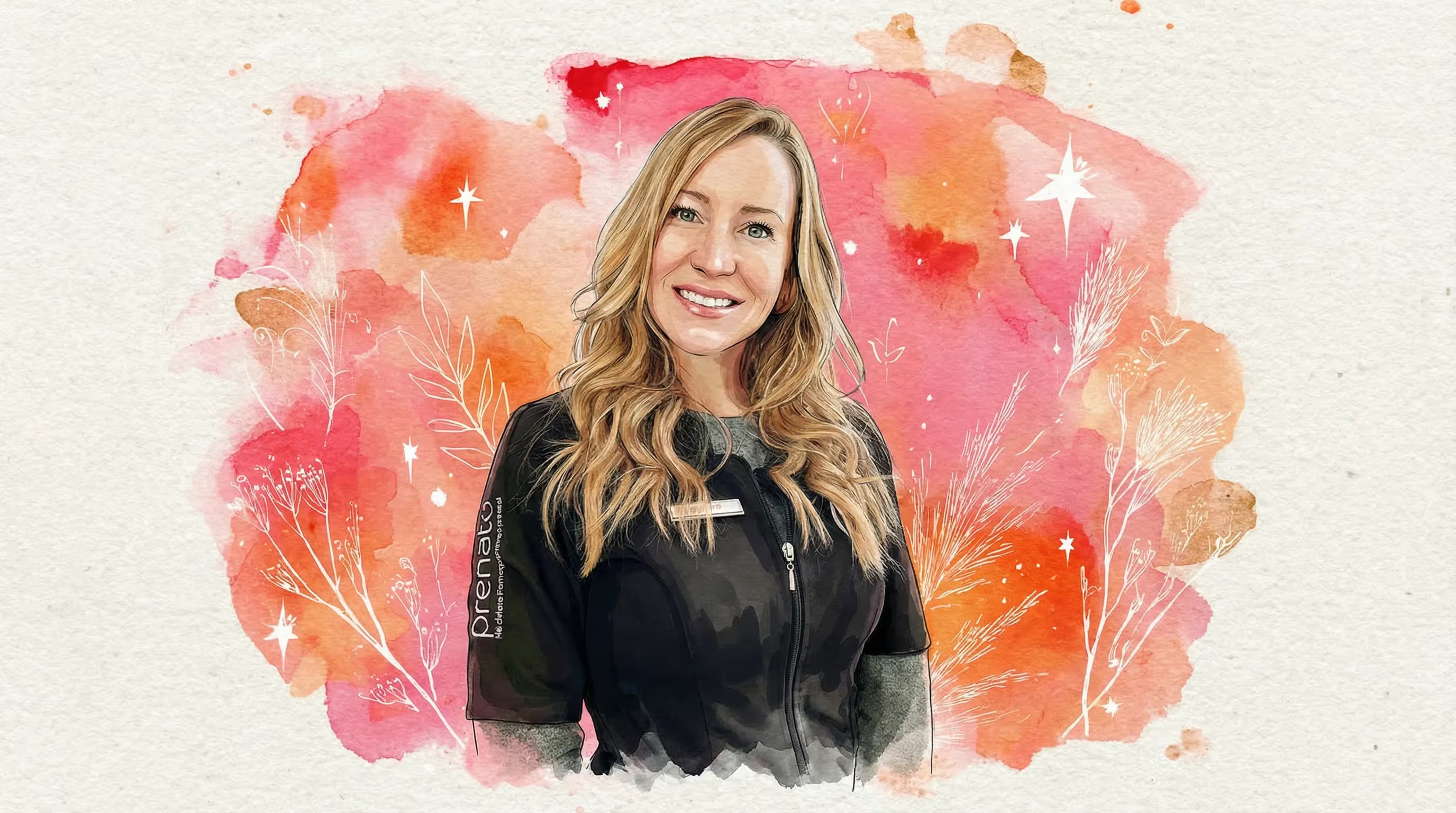
Lead nurse - Vaudreuil Clinic

Lead medical imaging technologist - Chicoutimi Clinic and partners

Nurse - Brossard Clinic

Lead clinical nurse - Blainville and Montreal Clinics

Nurse - Blainville Clinic

Nurse - Brossard Clinic
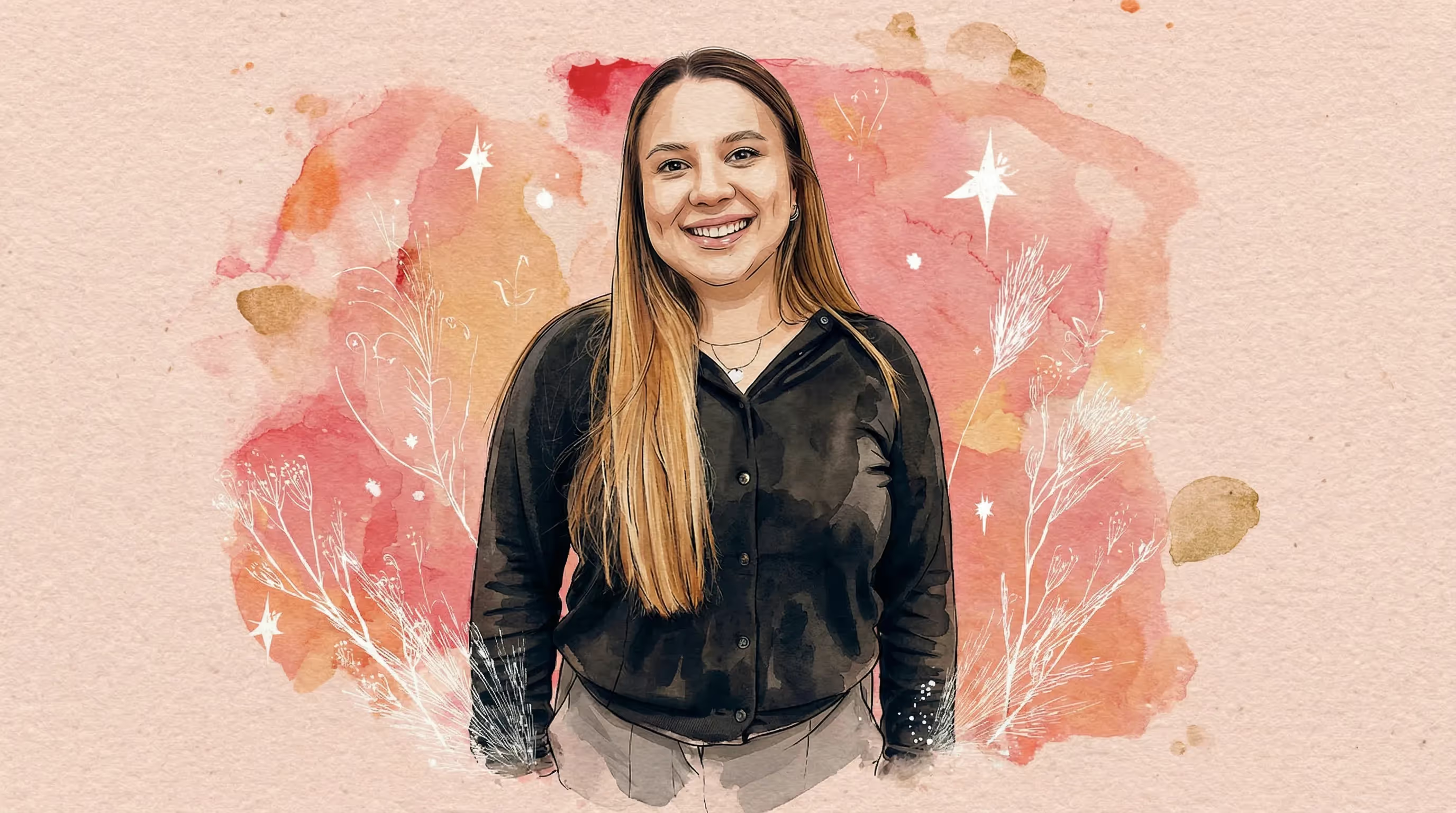
Clinical nurse - Blainville Clinic
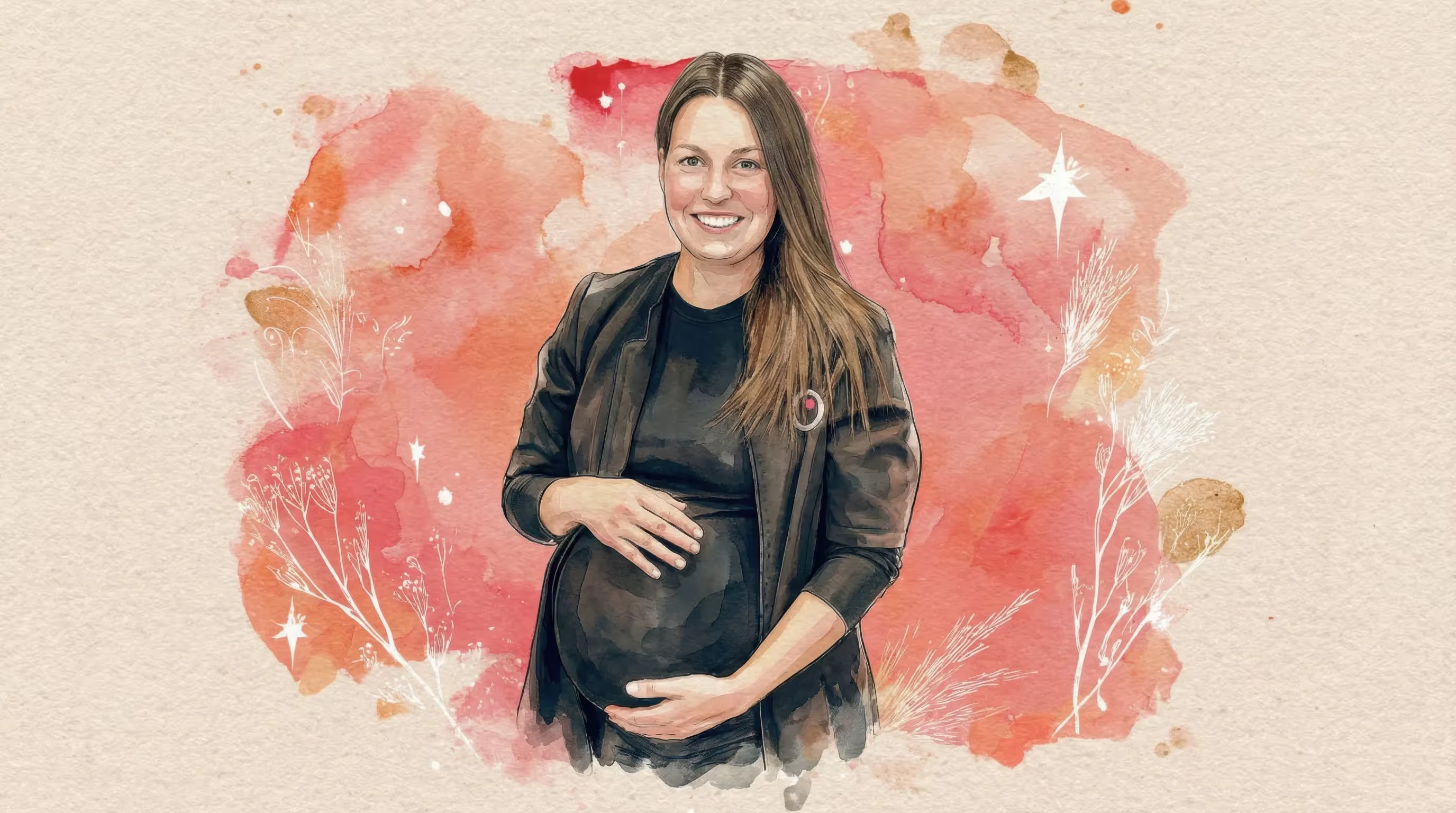
Lead clinical nurse - Brossard Clinic
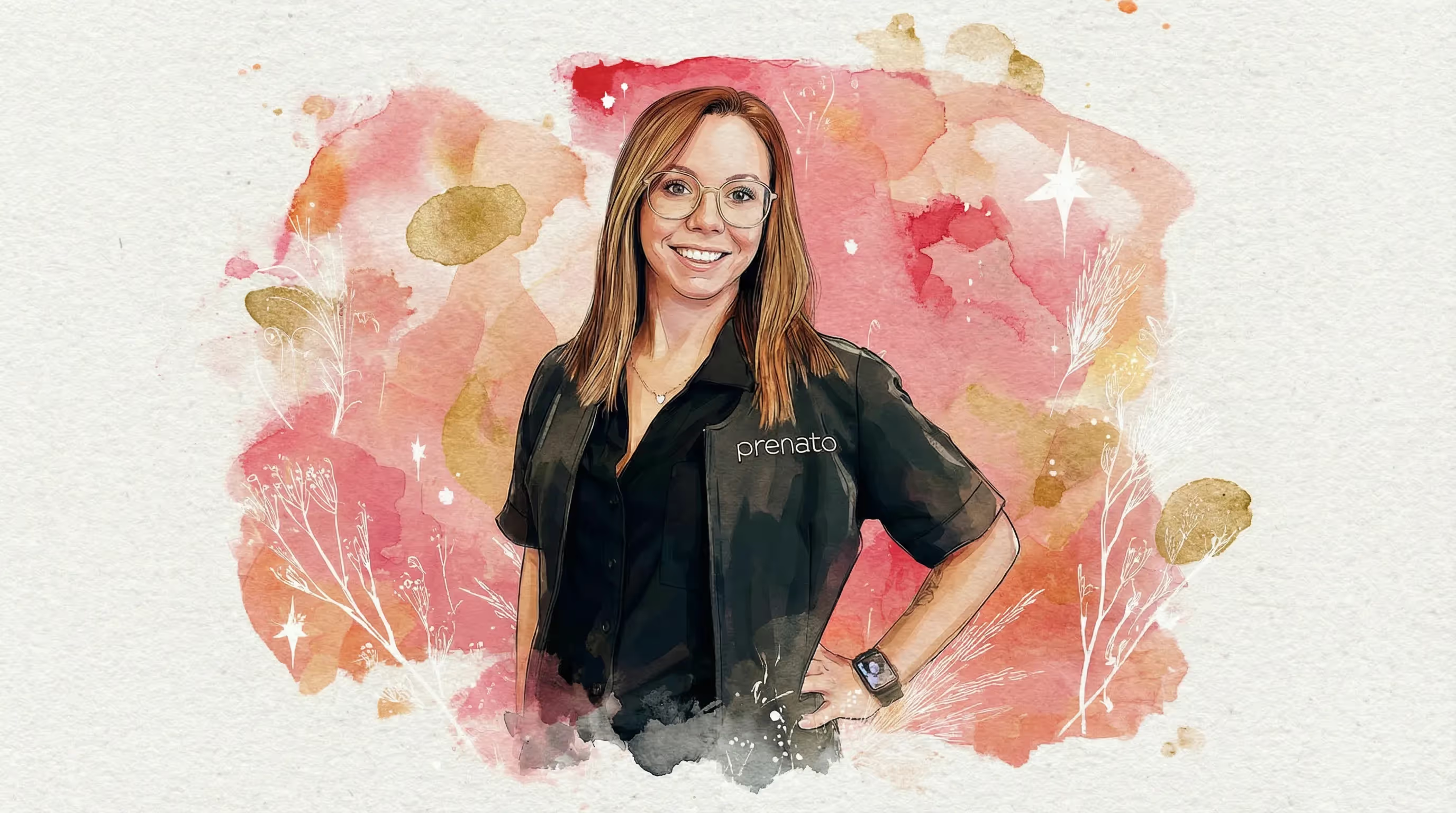
Nurse - Blainville Clinic

From motherhood to menopause, Prenato accompanies each stage of your life with kindness, expertise and innovation.