
2026
Choosing the right nursing bra
Category (s):
Pregnancy
Postpartum
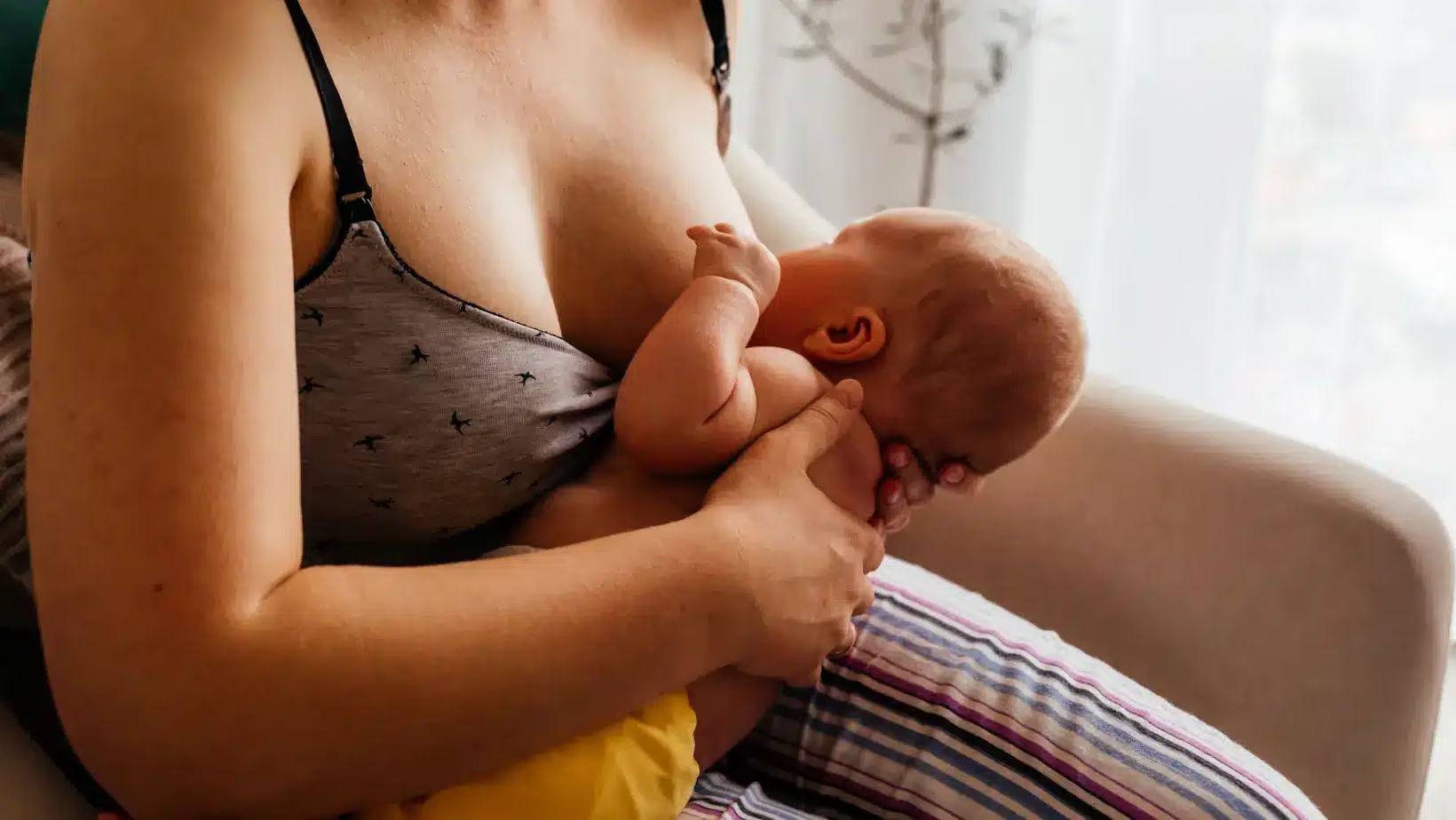
During pregnancy, there is a whole list of things to plan for your baby's arrival, and breastfeeding is one of them. Taking the time to think it through one piece at a time makes that preparation much simpler. Nursing lingerie is one of the things to consider, and it can make several adjustments easier once your baby is here.
Nursing bras tend to raise a number of questions:
Going over the whole question helps you find your way through a purchase you do not make every day.
A quick look through boutiques, big-box stores or specialty websites is enough to see that there is no shortage of nursing bras.
The cups can fasten to the strap in different ways: with hooks, clips, snaps or magnets. There are also seamless nursing bras, sportier ones and lace-trimmed ones, with or without a crossed back.
The selection today is far more varied than it once was, in looks and colours as much as in features. There are also nursing camisoles that are comfortable, functional and pleasant to wear. The styles are feminine, pretty and practical all at once: there is something for every taste.
That said, the staff selling these products are sometimes poorly informed and uncomfortable answering questions about them, because it is often an area they know little about. In shops that specialize in products for families, expectant mothers and babies, you will usually find people who are better equipped to advise you on choosing and trying on a bra.
There is no obligation to buy this type of bra, since wearing a bra is above all cultural. Even so, whether or not you wear one day to day, the way the breasts grow and the chest gets heavier during pregnancy gradually makes this option worth considering, to find the right support and comfort. That is why it is called practical, but not essential.
Expectant mothers are often advised to get at least one bra during pregnancy, one that will also work for latching once the baby is here. The ideal is a style that grows with you, adjusting over time to the changes in your breasts while still working for breastfeeding: it is a bit like buying “two for one”.
In those first attempts at breastfeeding, a garment that lets you drop a flap to free one breast at a time, while keeping the support you need, makes latching much easier. Otherwise, it is not unusual to have to take an ordinary bra right off and lose its support, or to push it up around your neck to free one breast, which can get unpleasant when the other breast starts to leak. The bra takes on real importance at this point in life, because it is often worn day and night.
The benefits are many. Beyond the convenience and the support already mentioned, this type of garment offers more discretion during feedings, since you do not have to bare the whole breast.
The support provided by the inner bands designed for that purpose adds comfort and often relieves the back pain caused by the weight of the breasts. This adapted undergarment also helps ease tension in the breast, thanks to its versatility and to the adjustments it allows at different points in pregnancy and postpartum.
Those adjustments prevent excessive compression of the breasts, possible stretch marks and even the pressure-related mastitis that could occur in such circumstances.
Choosing a nursing bra means taking several things into account, for comfort as much as for support. Here are the main points to check, along with how to determine your size properly.
A good nursing bra should meet the following criteria:
Underwires, the rigid structure sometimes added at the base of the bra, are not recommended in the last trimester of pregnancy or while breastfeeding. They can compress tissue (risk of injury), blood vessels (tenderness) and milk ducts (risk of mastitis).
If you are torn between two cup sizes, it is better to take the larger of the two, in anticipation of the engorgement that follows the birth.
Finding the right style is one thing; measuring your size properly is another. Two basic measurements serve as landmarks: the rib cage measurement, which widens during pregnancy, and the bust measurement. It is not unusual for a pregnant woman to change size once or twice, sometimes more, between pregnancy and breastfeeding.
A bra size combines a number and a letter, for example 34B. The number is the rib cage measurement in inches, that is, all the way around the rib cage just under the breasts. The letter depends on a second measurement: the bust measurement, taken at the fullest part of the chest, which determines the depth of the cup.
To find the letter, subtract the rib cage measurement from the bust measurement. For example, 36 inches at the bust minus 34 inches at the rib cage gives a difference of 2 inches. That difference is what determines the cup:
After that, you simply check the manufacturer's conversion chart to see whether small, medium, large or extra large is the right fit. A qualified salesperson can also take your measurements, suggest a style and supervise the fitting, which improves your chances of finding the right bra.
Bras are usually best washed by hand to make them last longer. With a baby in the house, though, it is worth choosing a style that is easy to care for and dries quickly. You can wash a nursing bra with a mild, unscented soap along with your baby's clothes, making sure it is well rinsed. Preferably, keep it out of the dryer.
You should generally budget between $30 and $90 for a nursing bra. The price varies with the fabric, the features offered and the look of the style.
The prenato.ca website and the comprehensive information it contains are intended as practical tools for expectant and new parents, as well as for women throughout the various stages of their lives. This information is not intended to replace the skills, knowledge, or experience of qualified healthcare professionals who are familiar with the specific facts, circumstances, and symptoms of each individual. Consequently, Prenato and its staff cannot be held liable for any adverse effects or consequences resulting from the use of the information provided on this site. It is the user's responsibility to consult a physician or a qualified healthcare professional appropriate to their specific needs for any personal health concerns.
Immerse yourself in the adventure of your pregnancy and follow your baby's journey through our personalized emails. Every two weeks, receive updates that are unique and tailored to your pregnancy, allowing you to track your little one's growth and development stages. Take advantage of valuable advice and information to accompany each magical moment of this adventure!
Prenato needs the contact information you provide to us in order to contact you about our products and services. You can unsubscribe from these communications at any time. See our Privacy Policy to learn more about how we unsubscribe, as well as our privacy policies and our commitment to protection and privacy.

From motherhood to menopause, Prenato accompanies each stage of your life with kindness, expertise and innovation.