2026
The key steps of a fertility journey
Category (s):
Preconception and Fertility

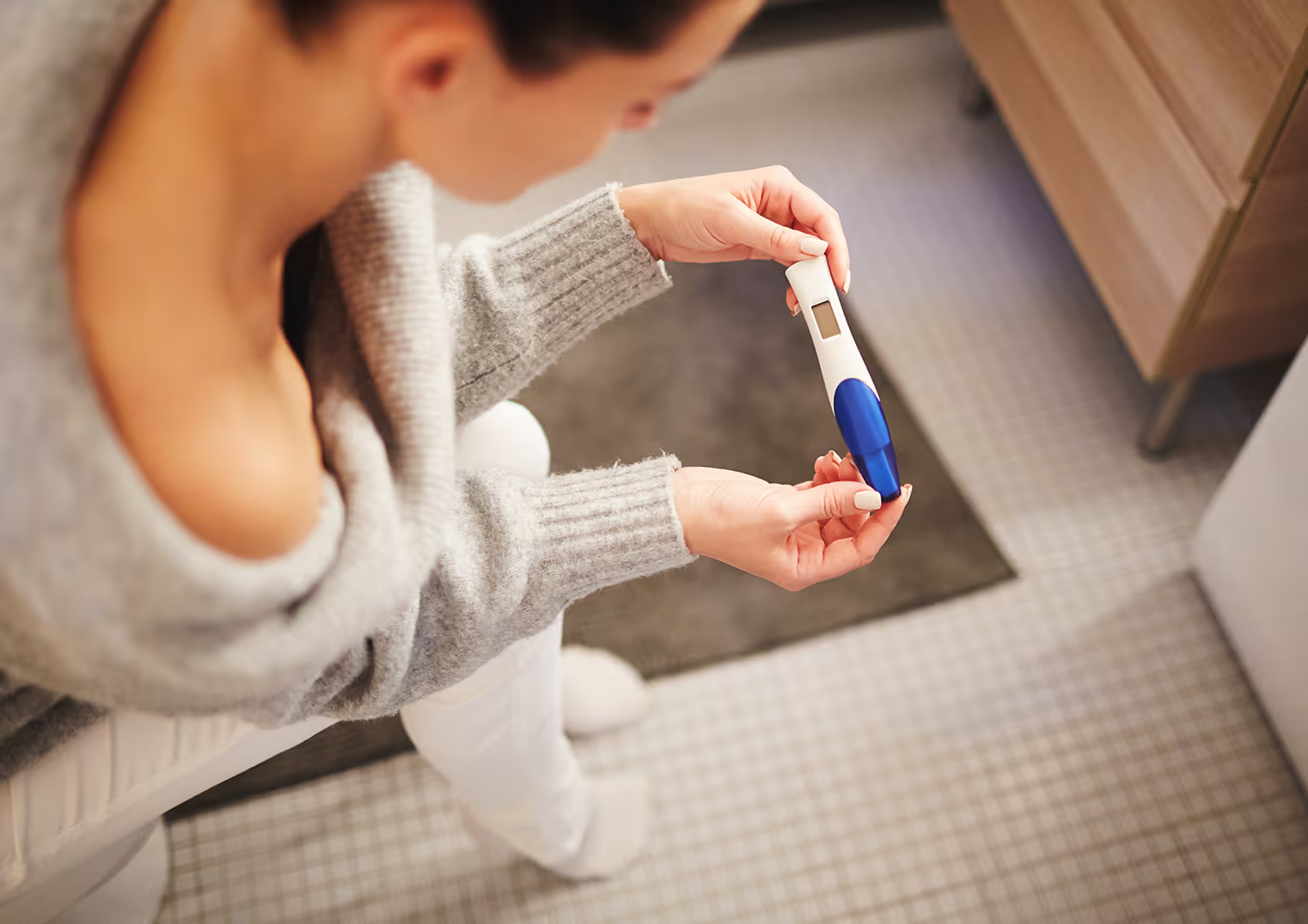
More and more couples are learning about the fertility process before starting to try for a baby. Good preconception planning maximizes the chances of conceiving while spotting and treating any potential problems ahead of time. Here are the key steps of this process:
The first step is to meet with your family doctor or a gynaecologist. This professional will carry out a complete preconception workup: a questionnaire about your medical history and lifestyle habits, plus a physical and gynaecological exam. They will do a Pap test and order swabs to screen for STBBIs (sexually transmitted and blood-borne infections). These assessments make sure that no underlying condition (cervical lesion, infection, etc.) will complicate a future pregnancy.
Your practitioner will assess how regular your menstrual cycles are and how long they last. A normal cycle ranges from 21 to 35 days, with an average of about 28 days. If your cycles are very irregular or far apart, tests will be done to identify the cause (e.g., polycystic ovary syndrome, thyroid disorders).
You may be prescribed hormone blood tests at different points in your cycle: early in the cycle to assess your ovarian reserve (FSH, AMH) and mid-cycle to confirm ovulation (progesterone). These tests check the quality of your ovulation and your hormonal balance. Depending on the situation, an ovarian reserve test may also be recommended, especially after age 35 or if there is a family history of ovarian insufficiency.
If no pregnancy occurs after several months despite a normal workup, more in-depth tests may be needed. Hysterosalpingography (an X-ray with contrast dye) or hysterosonography (an ultrasound with saline) can confirm that the fallopian tubes are open and that the uterus has no abnormalities. Although more invasive, these tests are essential for investigating unexplained infertility. A full pelvic ultrasound can also detect ovarian cysts, fibroids or polyps.
If the difficulties persist, your doctor may refer you to a fertility specialist (a reproductive endocrinologist). Fertility clinics give you access to specialized treatments — ovarian stimulation, intrauterine insemination, in vitro fertilization (IVF), and so on — even when no cause has been clearly identified. Note: at some clinics you can book directly without a referral, which can speed up your care.
Alongside the tests, your health professional will recommend adopting habits that support fertility: quitting smoking, cutting back on alcohol, keeping a balanced diet and a BMI between 18.5 and 25, managing stress and starting folic acid at least three months before conception. A daily supplement of 0.4 mg of folate is recommended in particular to prevent neural tube defects in the baby.
Fertility is a project you take on as a couple. Depending on the situation, a semen analysis may be offered to your partner to assess the quality and quantity of the sperm. About 30% of infertility is linked to a male factor, which is why both partners need to be assessed. Depending on the results, further tests (blood work, testicular ultrasound, a urology consultation) may be recommended.
Every fertility journey is unique. Some people conceive quickly after a few lifestyle adjustments, while others will need more in-depth medical support. What matters is consulting early and grouping the necessary tests together: a well-conducted preconception workup saves time and keeps a treatable problem from being missed (hypothyroidism, endometriosis, undiagnosed diabetes, etc.).
It is normal to feel overwhelmed by the range of tests that exist. Rest assured: it does not mean you will have to go through all of them. Your doctor will target the tests that are relevant to your situation. A healthy 25-year-old woman will not have the same needs as a 38-year-old woman with irregular cycles. Trust the professionals to guide you.
Keeping communication open with your partner is essential too. Supporting each other helps you get through the waiting and any disappointments. If the process becomes emotionally difficult, don't hesitate to look for psychological support or to join a support group.
In short, a fertility journey combines medical, lifestyle and emotional aspects. By following these steps and getting support along the way, you give yourself every chance of moving forward calmly toward your goal of having a child.
The prenato.ca website and the comprehensive information it contains are intended as practical tools for expectant and new parents, as well as for women throughout the various stages of their lives. This information is not intended to replace the skills, knowledge, or experience of qualified healthcare professionals who are familiar with the specific facts, circumstances, and symptoms of each individual. Consequently, Prenato and its staff cannot be held liable for any adverse effects or consequences resulting from the use of the information provided on this site. It is the user's responsibility to consult a physician or a qualified healthcare professional appropriate to their specific needs for any personal health concerns.
Immerse yourself in the adventure of your pregnancy and follow your baby's journey through our personalized emails. Every two weeks, receive updates that are unique and tailored to your pregnancy, allowing you to track your little one's growth and development stages. Take advantage of valuable advice and information to accompany each magical moment of this adventure!
Prenato needs the contact information you provide to us in order to contact you about our products and services. You can unsubscribe from these communications at any time. See our Privacy Policy to learn more about how we unsubscribe, as well as our privacy policies and our commitment to protection and privacy.


From motherhood to menopause, Prenato accompanies each stage of your life with kindness, expertise and innovation.