2026
Yeast infection (thrush) in babies: what you need to know
Category (s):
Baby
Parenting
.avif)
Thrush, candidiasis, yeast infection, fungus... all of these words are in fact talking about the same thing: the presence of a fungus. But how do you know whether it really is a fungus, and above all, what do you do when it shows up?
Rest assured: in a baby two months old or younger, it is very common. Candida (the yeast behind thrush) occurs naturally in our environment. It does not grow on healthy skin, but when it settles in the wrong place, it can cause discomfort — for the baby as much as for the breastfeeding mother.
There are two types of fungal infection in babies:
In this second case, several factors encourage candida to multiply: the constant moisture in the diaper and the alkaline pH of urine create an ideal environment for the yeast to grow.
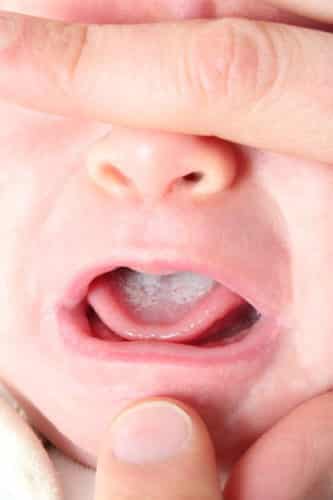
It is normal for a breastfed baby to have a white tongue from time to time — without it being a yeast infection. When it really is candidiasis, you will instead see white patches inside the cheeks or between the gum and the lower lip, with an appearance that looks like cottage cheese.
Contamination happens through the mouth, then the yeast travels down the intestinal tract to the anus. That is often where the signs are most visible: small bright red or white bumps around the anal opening, called satellite lesions. They spread easily and create a significant diaper rash.
These bumps or small sores on the bottom (and sometimes the vulva) cause a burning sensation on contact with urine or stool. Your baby then clearly expresses the discomfort, often by crying.
In a mother who is breastfeeding, certain signs may suggest a yeast infection:
And one essential point: if your baby has a yeast infection on the bottom, there is also one in the mouth... and the mother is almost always contaminated as well. That is why the mother must always be treated at the same time as the baby, even if she has no symptoms. Otherwise, recontamination is almost guaranteed and the baby's treatment becomes ineffective.
Do you suspect a yeast infection? Do not hesitate to seek care. The earlier you act, the more easily it clears up.
Prevention is key. While breastfeeding, a good latch helps avoid injuries (broken skin, an irritated nipple) that can encourage a yeast infection.
When there is a yeast infection, the recommendations are to:
If the redness is very significant or if there is swelling, go with Monistat®, which also contains an anti-inflammatory.If the irritation is marked, you can apply the antifungal cream, then a barrier cream (e.g. Zincofax®) to protect the skin from contact with urine and stool.
The nipples also have to be treated to avoid recontamination.
If your baby's mouth is affected, a nystatin oral suspension can be prescribed by a doctor, a nurse or a pharmacist.
If you feel burning or itching when you urinate, Monistat® cream can also be used as a vaginal treatment.If the symptoms persist or get worse after 3 days, see a doctor.
To avoid: gentian violet. Since 2019, Health Canada has advised against using it in pregnant women and in babies because of a potential cancer risk.
Here are other articles about baby care:
And a few videos to round out the information:
The prenato.ca website and the comprehensive information it contains are intended as practical tools for expectant and new parents, as well as for women throughout the various stages of their lives. This information is not intended to replace the skills, knowledge, or experience of qualified healthcare professionals who are familiar with the specific facts, circumstances, and symptoms of each individual. Consequently, Prenato and its staff cannot be held liable for any adverse effects or consequences resulting from the use of the information provided on this site. It is the user's responsibility to consult a physician or a qualified healthcare professional appropriate to their specific needs for any personal health concerns.
Immerse yourself in the adventure of your pregnancy and follow your baby's journey through our personalized emails. Every two weeks, receive updates that are unique and tailored to your pregnancy, allowing you to track your little one's growth and development stages. Take advantage of valuable advice and information to accompany each magical moment of this adventure!
Prenato needs the contact information you provide to us in order to contact you about our products and services. You can unsubscribe from these communications at any time. See our Privacy Policy to learn more about how we unsubscribe, as well as our privacy policies and our commitment to protection and privacy.

From motherhood to menopause, Prenato accompanies each stage of your life with kindness, expertise and innovation.