2026
Brain fog and irritability: when perimenopause plays with your nerves
Category (s):
Perimenopause
Hormonal health
Exclusive

Beyond physical changes like weight gain or sleep problems, one of the most unsettling parts of perimenopause often has to do with mental and emotional balance. You may catch yourself feeling more irritable, searching for your words, or living with that vague sense of having a foggy brain.
A lot of women describe it this way: "I don't recognize myself anymore." Some worry about feeling less focused, less emotionally steady or less capable at work.
The good news? What you are feeling is in no way abnormal: it is a predictable neurochemical response to hormonal fluctuations. Understanding what is happening in your brain is the first step toward letting go of the guilt, easing the symptoms and finding your balance again.
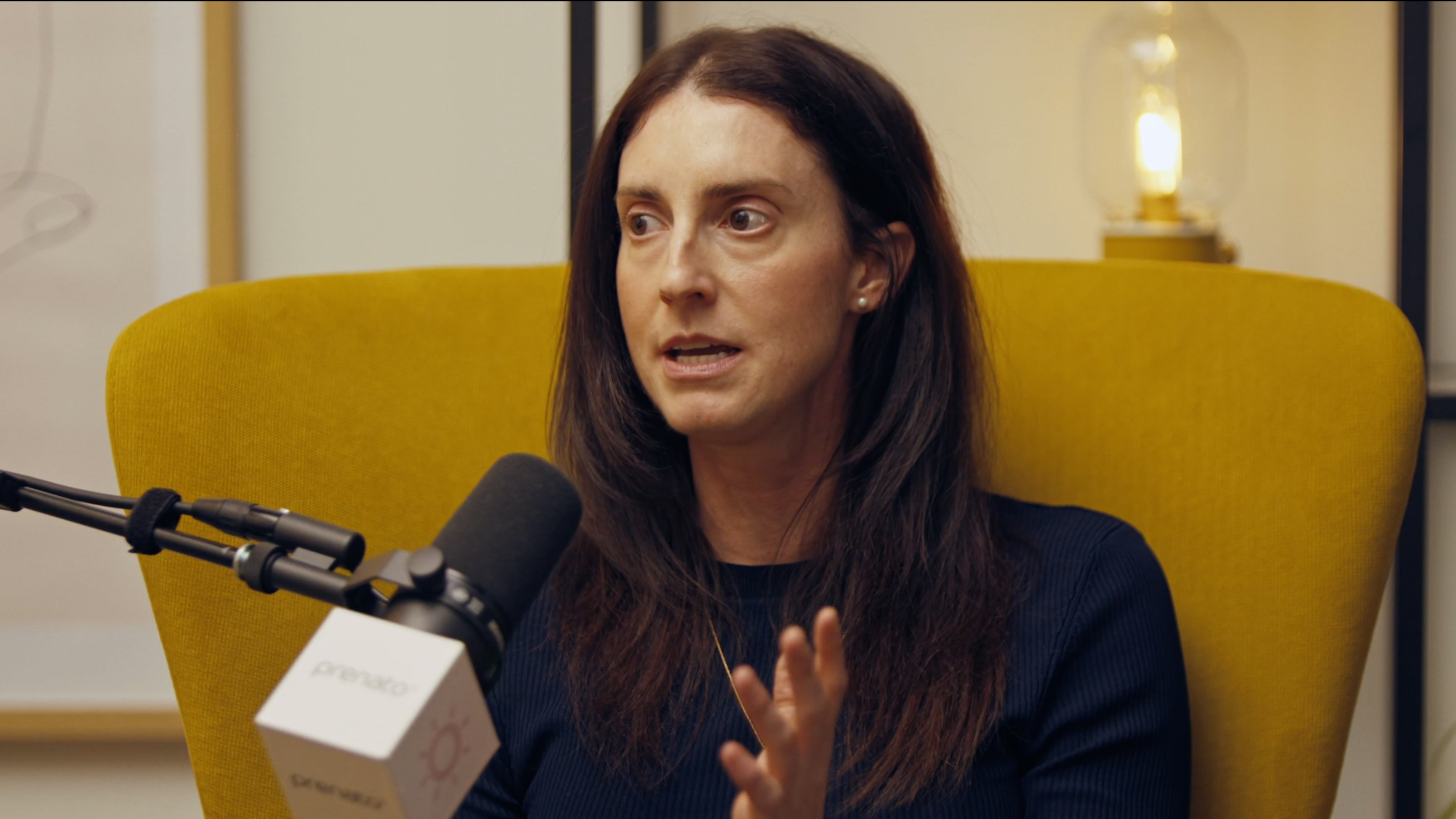
Going further: The link between hormones and mood is one of the most complex aspects of perimenopause. To dig deeper and hear Dr. Catherine Bouchard demystify the connection between progesterone, anxiety and well-being, listen to our podcast, coming soon to leshistoiresprenato.ca.
Your brain is a complex ecosystem, finely regulated by hormones and neurotransmitters. When that balance is disrupted, the effects show up quickly.
Progesterone, sometimes called "the calming hormone", plays an essential role in emotional regulation. It acts in particular on the brain's GABA receptors — the chemical messengers that promote relaxation and quiet nervous activity.
If progesterone is the calming agent, estrogen is your brain's head of communications. It plays a vital role in cognition, memory and mental clarity.
Fortunately, there are concrete strategies to support your brain through this transition.
The brain is a big consumer of glucose. Blood sugar roller coasters make brain fog and irritability worse.
If progesterone is no longer pressing as hard on the "brake" (GABA), you can lend a hand with relaxation techniques that switch on your parasympathetic nervous system (the "rest and digest" mode).
Physical exercise is not just good for the body, it is crucial for the brain.
Sometimes lifestyle changes are not enough to make up for a significant hormonal deficit. In those situations, personalized hormonal care can help restore balance and address the cause of these symptoms.
What you are feeling is real, physical and treatable. The first step is to recognize that you are not alone and that solutions exist.
Perimenopause and menopause are not stages to be endured in silence. Concrete solutions exist to help you regain your balance and your well-being. The team of specialists at Prenato, working closely with Dr. Catherine Bouchard, is here to support you, listen to you and build a personalized plan based on your needs.
Don't wait any longer to feel better. Book an appointment today at Prenato.ca/ to take stock of your hormonal health.
The prenato.ca website and the comprehensive information it contains are intended as practical tools for expectant and new parents, as well as for women throughout the various stages of their lives. This information is not intended to replace the skills, knowledge, or experience of qualified healthcare professionals who are familiar with the specific facts, circumstances, and symptoms of each individual. Consequently, Prenato and its staff cannot be held liable for any adverse effects or consequences resulting from the use of the information provided on this site. It is the user's responsibility to consult a physician or a qualified healthcare professional appropriate to their specific needs for any personal health concerns.
Immerse yourself in the adventure of your pregnancy and follow your baby's journey through our personalized emails. Every two weeks, receive updates that are unique and tailored to your pregnancy, allowing you to track your little one's growth and development stages. Take advantage of valuable advice and information to accompany each magical moment of this adventure!
Prenato needs the contact information you provide to us in order to contact you about our products and services. You can unsubscribe from these communications at any time. See our Privacy Policy to learn more about how we unsubscribe, as well as our privacy policies and our commitment to protection and privacy.

From motherhood to menopause, Prenato accompanies each stage of your life with kindness, expertise and innovation.