




2026
Lyme disease
No one is safe from being bitten by a tick on a beautiful summer day. Here are the details...

Preparing for birth is one thing; living through the postnatal period is another, with its share of questions that come up as the days go by. Contraception is often a source of stress for a new mother, especially when she is breastfeeding.
How do you go back to an active sex life without getting pregnant again right away, while keeping up your milk supply? Several options exist, whether you are breastfeeding or not.
Watch out for this stubborn myth. Contrary to what you sometimes hear, breastfeeding does not make a woman infertile.
Exclusive breastfeeding usually delays the return of your periods, but a woman can ovulate even without having had a period since giving birth. It is rarer to become pregnant when breastfeeding is sustained and feeds are very close together, that is 8 to 12 feeds a day: the ovulation hormones are then blocked by the breastfeeding hormones, provided the interval between feeds does not go beyond 4 hours.
To be safer, it is generally advised to use a barrier method along with breastfeeding, for example:
Current data seem to show that contraceptives based on progestin alone have less impact on the milk production of breastfeeding mothers. Several options are safe while breastfeeding:
You still need to stay alert: in some mothers, milk production still slows down.
Contraceptives containing estrogen can reduce milk production very significantly. Several mothers then have to supplement breastfeeding other than at the breast in order to feed their baby.
Faced with this double task, breastfeeding and then topping up with a bottle, some mothers get discouraged and choose to stop breastfeeding in favour of a bottle filled with commercial formula.
Contraception after birth can be brought up as early as birth preparation, so you can make an informed choice. As soon as you are discharged from the maternity ward, or at the first postnatal appointment at the clinic, the professional will bring up contraception and provide the necessary prescriptions if needed.
The prenato.ca website and the comprehensive information it contains are intended as practical tools for expectant and new parents, as well as for women throughout the various stages of their lives. This information is not intended to replace the skills, knowledge, or experience of qualified healthcare professionals who are familiar with the specific facts, circumstances, and symptoms of each individual. Consequently, Prenato and its staff cannot be held liable for any adverse effects or consequences resulting from the use of the information provided on this site. It is the user's responsibility to consult a physician or a qualified healthcare professional appropriate to their specific needs for any personal health concerns.
No one is safe from being bitten by a tick on a beautiful summer day. Here are the details...
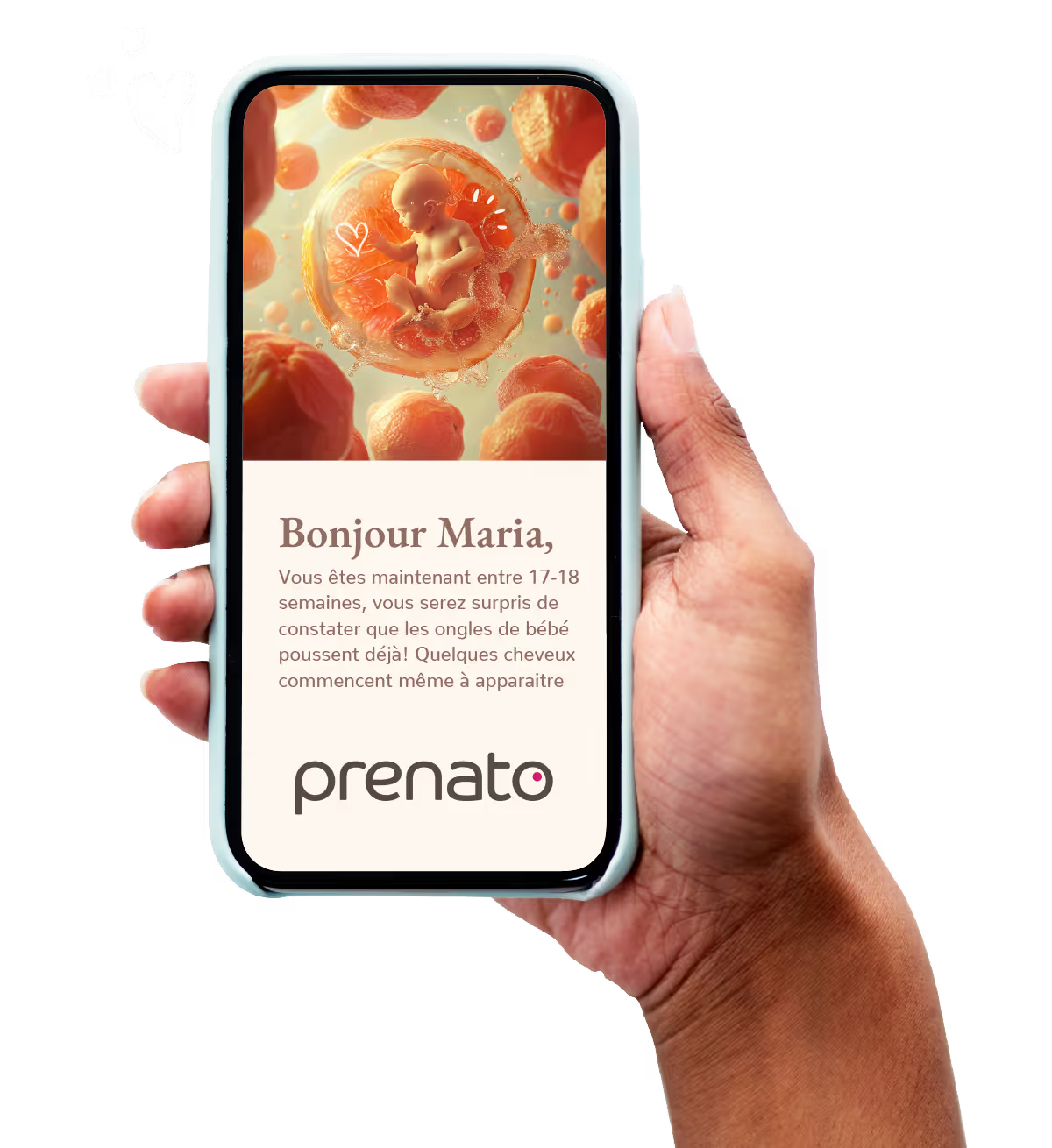
Immerse yourself in the adventure of your pregnancy and follow your baby's journey through our personalized emails. Every two weeks, receive updates that are unique and tailored to your pregnancy, allowing you to track your little one's growth and development stages. Take advantage of valuable advice and information to accompany each magical moment of this adventure!
Prenato needs the contact information you provide to us in order to contact you about our products and services. You can unsubscribe from these communications at any time. See our Privacy Policy to learn more about how we unsubscribe, as well as our privacy policies and our commitment to protection and privacy.

From motherhood to menopause, Prenato accompanies each stage of your life with kindness, expertise and innovation.