2025
Focusing on the joy of eating: complete guide and practical tips
Category (s):
Baby
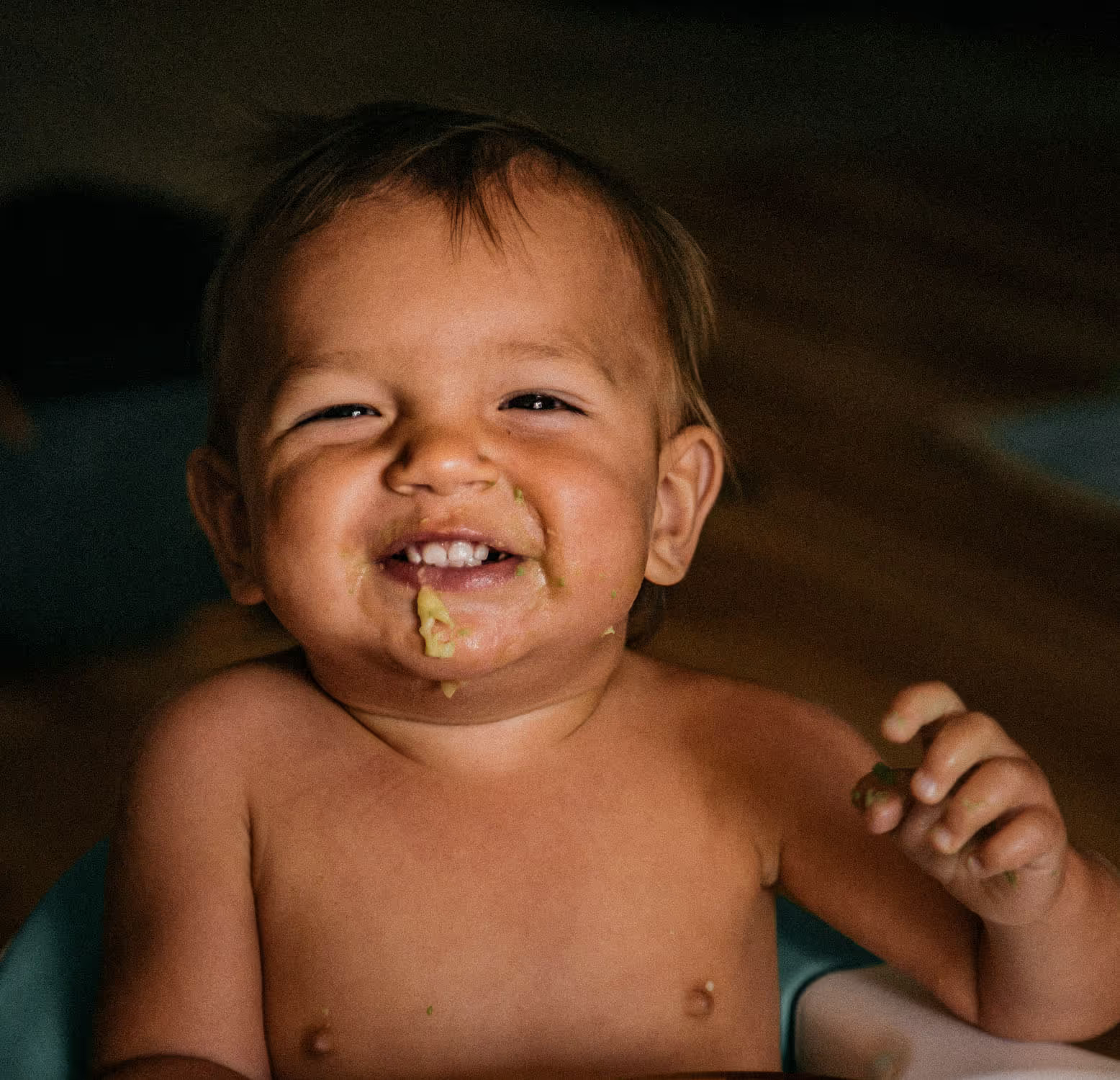
The goal of introducing complementary foods is for your child to eat a variety of healthy foods in quantities sufficient to meet their nutritional and energy needs. But more than that, the objective is for your child to develop a healthy relationship with food and the joy of eating.
The joy of eating is essential to developing a positive relationship with food. Positive food experiences in early childhood lay the foundation for future eating habits. A child who takes pleasure in eating will be more open to trying new foods and developing varied tastes.
Mealtimes should be pleasant, relaxed moments. Avoid pressure, distractions and negotiations around food. Let your child explore foods at their own pace, even if that means touching, smelling or playing with their food at first.
Parents are responsible for deciding what to offer, when and where. The child, for their part, decides whether to eat and how much. This sharing of responsibilities, known as Satter's division of responsibility, supports intuitive, healthy eating.
It can take 10 to 15 exposures to a new food before a child accepts it. This repetition is normal and necessary. Keep offering rejected foods without pressure, presenting them in different ways.
Children learn by watching. Eat with your child and show them the pleasure you take in eating healthy, varied foods. Your enthusiasm for food is contagious!
Some practices can undermine the development of a healthy relationship with food: Forcing your child to eat or to clean their plate Using food as a reward or punishment Strictly limiting certain foods Making negative comments about foods or bodies Comparing your child to others Showing anxiety around eating
Encourage your child to explore foods with all their senses. Let them touch, smell, look at and taste without pressure. This exploration is part of learning and of developing the joy of eating.
Offer new foods regularly alongside familiar ones. This approach helps your child develop their tastes while giving them a sense of security. Present foods in a variety of ways (raw, cooked, pureed, in pieces).
Let your child take an active part in meals as soon as they are able. Self-feeding (baby-led weaning) supports independence, discovery and the joy of eating. Let them eat with their fingers, use a spoon and gradually develop their motor skills.
Family meals offer many benefits: Modelling healthy eating behaviours Quality time together Language and social skills development Creating positive memories around food Try to eat together as often as you can, even if it is only for part of the meal.
Food neophobia (fear of new foods) is a normal developmental phase that often appears around 18-24 months. Stay patient and keep offering a variety of foods without pressure. This phase is temporary.
As soon as you can, involve your child in: Meal preparation (washing vegetables, stirring) Choosing foods at the market or grocery store Gardening (growing vegetables) Setting the table This participation increases interest in food and the joy of eating.
Your own relationship with food influences your child's. Avoid negative comments about your body or about certain foods. Show that you enjoy a variety of foods and that eating is a pleasure, not a chore.
To nurture the joy of eating: Create a calm, positive atmosphere at mealtimes Respect your child's independence Offer a variety of foods without pressure Eat as a family when you can Involve your child in preparation Be a positive role model Trust your child's hunger and fullness cues The joy of eating is a gift that lasts a lifetime. By creating positive food experiences right from the start, you help your child build a healthy, happy relationship with food.
The prenato.ca website and the comprehensive information it contains are intended as practical tools for expectant and new parents, as well as for women throughout the various stages of their lives. This information is not intended to replace the skills, knowledge, or experience of qualified healthcare professionals who are familiar with the specific facts, circumstances, and symptoms of each individual. Consequently, Prenato and its staff cannot be held liable for any adverse effects or consequences resulting from the use of the information provided on this site. It is the user's responsibility to consult a physician or a qualified healthcare professional appropriate to their specific needs for any personal health concerns.
Immerse yourself in the adventure of your pregnancy and follow your baby's journey through our personalized emails. Every two weeks, receive updates that are unique and tailored to your pregnancy, allowing you to track your little one's growth and development stages. Take advantage of valuable advice and information to accompany each magical moment of this adventure!
Prenato needs the contact information you provide to us in order to contact you about our products and services. You can unsubscribe from these communications at any time. See our Privacy Policy to learn more about how we unsubscribe, as well as our privacy policies and our commitment to protection and privacy.

From motherhood to menopause, Prenato accompanies each stage of your life with kindness, expertise and innovation.