


2026
Lyme disease
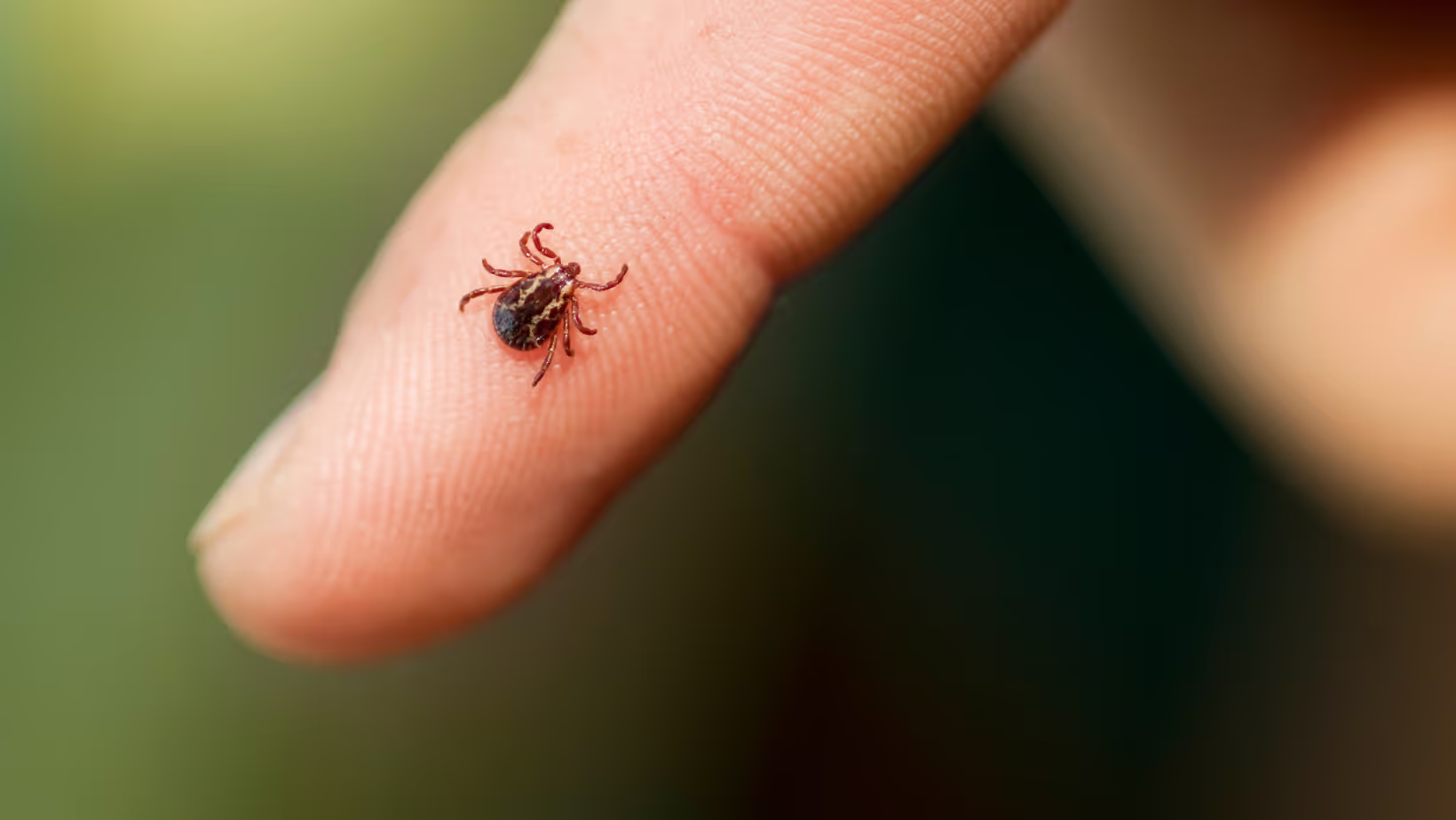
No one is safe from being bitten by a tick on a beautiful summer day. Here are the details...
%20(2).avif)
The Quebec newborn hearing screening program aims to detect hearing loss that is present at birth early on, and then to begin the treatment and rehabilitation needed before the age of 6 months. Newborn hearing screening tests have been in place in Quebec since 2021, in most regions, with a gradual rollout.
According to public health data, 4 to 6 babies out of every 1,000 births will have a hearing-related problem. In Quebec, one baby in 1,000 is thought to have permanent hearing loss, and 90% of the cases identified with a hearing disorder are thought to have no family history.
Because hearing disorders cannot be spotted with the naked eye at birth and are hard to pick up at a very young age, it is essential that screening be done systematically for all newborns, including those who are healthy and have no risk factors.
There are different types of hearing loss. The greater the hearing disorder, the greater the possible impact on your baby's development.
The answer is simple: the sooner hearing loss is known, the sooner we can step in and keep the negative effects on the child's overall development to a minimum.
Children identified with a hearing problem benefit greatly from quickly receiving the care and services suited to their situation, to protect their quality of life.
Under the protocol that governs the program, the goal is for newborns to be tested before the age of 1 month, always using corrected age if the child was born preterm, in an outpatient clinic. The test can also be done during the stay in the maternity ward, taking care to wait at least 24 hours after birth. Before that, fluid and debris may still be present in the child's ear canals and skew the results.
Screening is always done with the free and informed consent of the parents. A form has to be signed, after receiving the information about the program, to authorize screening.
The program recommends two specific tests that can be used as a first step.
Both tests send brief, regular, low-intensity sound stimulations through an earphone placed directly in the baby's ear canal; the physiological responses are then recorded. They are painless and carry no risk at all for your baby, and they are done while they are asleep and calm.
For a newborn who has risk factors for hearing loss, the program provides for a different procedure: the Peatc-A test is prescribed right away.
Even though the program is meant for all newborns, some of them are at higher risk of hearing disorders and hearing loss. Here are a few of them:
Newborn hearing screening can change the life of a baby with a hearing problem. Knowing a baby's hearing status early allows the health system to take charge very quickly.
If you have questions about your family history, or anything that worries you about a possible hearing problem in your baby to come, do not hesitate to ask your doctor to assess the situation with you.
The prenato.ca website and the comprehensive information it contains are intended as practical tools for expectant and new parents, as well as for women throughout the various stages of their lives. This information is not intended to replace the skills, knowledge, or experience of qualified healthcare professionals who are familiar with the specific facts, circumstances, and symptoms of each individual. Consequently, Prenato and its staff cannot be held liable for any adverse effects or consequences resulting from the use of the information provided on this site. It is the user's responsibility to consult a physician or a qualified healthcare professional appropriate to their specific needs for any personal health concerns.
No one is safe from being bitten by a tick on a beautiful summer day. Here are the details...
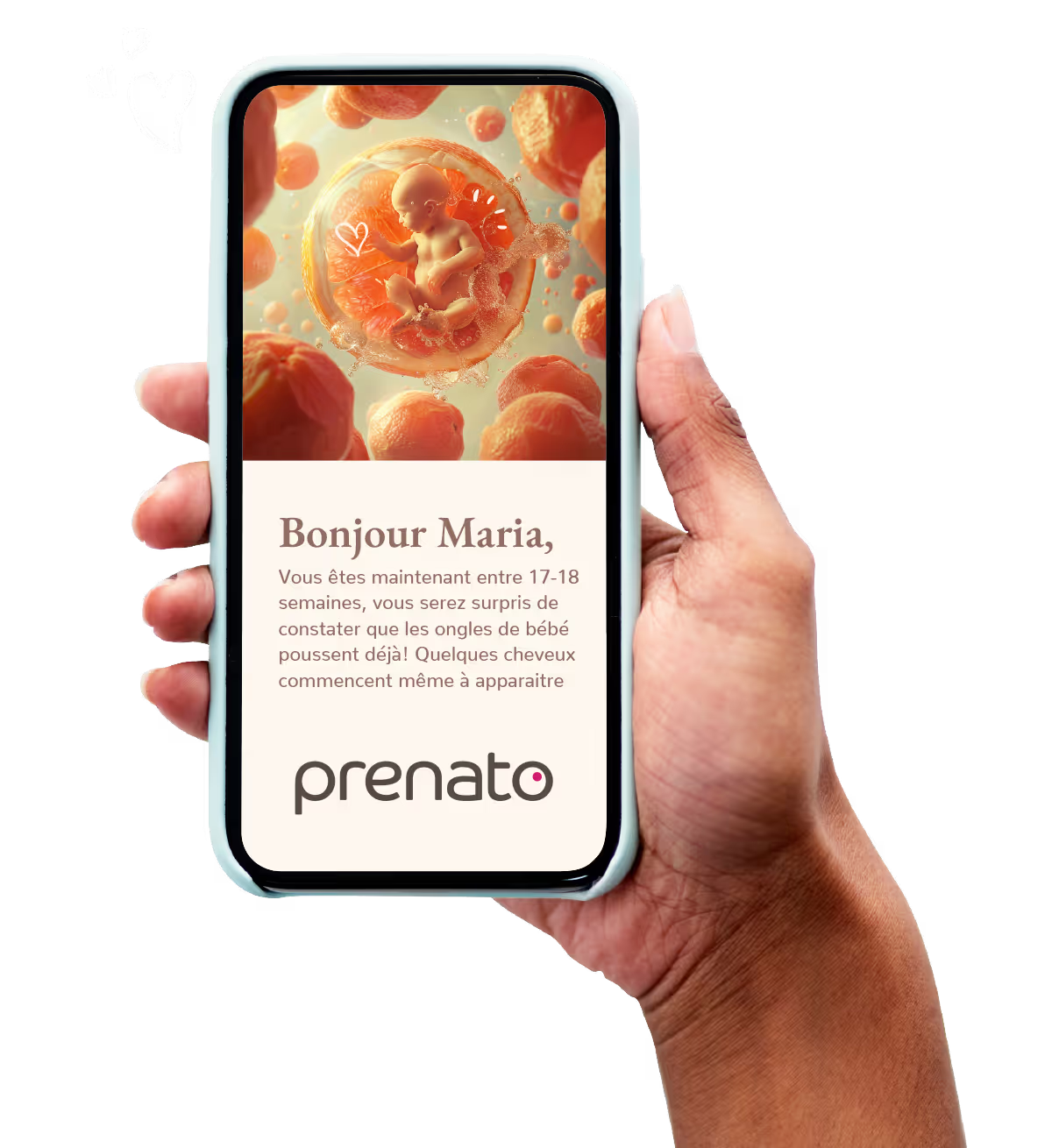
Immerse yourself in the adventure of your pregnancy and follow your baby's journey through our personalized emails. Every two weeks, receive updates that are unique and tailored to your pregnancy, allowing you to track your little one's growth and development stages. Take advantage of valuable advice and information to accompany each magical moment of this adventure!
Prenato needs the contact information you provide to us in order to contact you about our products and services. You can unsubscribe from these communications at any time. See our Privacy Policy to learn more about how we unsubscribe, as well as our privacy policies and our commitment to protection and privacy.

From motherhood to menopause, Prenato accompanies each stage of your life with kindness, expertise and innovation.