2025
Joint pain and stiffness: the surprising symptom of perimenopause
Category (s):
Hormonal health
Perimenopause
Exclusive

You wake up with a diffuse stiffness, as if your body had aged ten years overnight. A shoulder pain shows up for no reason, a tendinitis settles in, or your feet protest the moment you take your first steps out of bed. Instinctively, you tell yourself: "It's normal, it's just age..."
Less well known than hot flashes, muscle and joint pain are common manifestations of perimenopause. This discomfort is neither imaginary nor inevitable: it can be influenced by hormonal fluctuations, since estrogen and progesterone play an important supporting role in the health of your muscles, tendons and joints.
Hormones, and estrogen in particular, play a fundamental role in the health of your musculoskeletal system.
Estrogen plays a key role in the synthesis and preservation of collagen, the essential protein that gives your connective tissues — tendons, ligaments, cartilage and skin — their suppleness, elasticity and strength.
Estrogen also has a natural anti-inflammatory effect. It helps regulate the immune system and keeps inflammation below a certain threshold of balance.
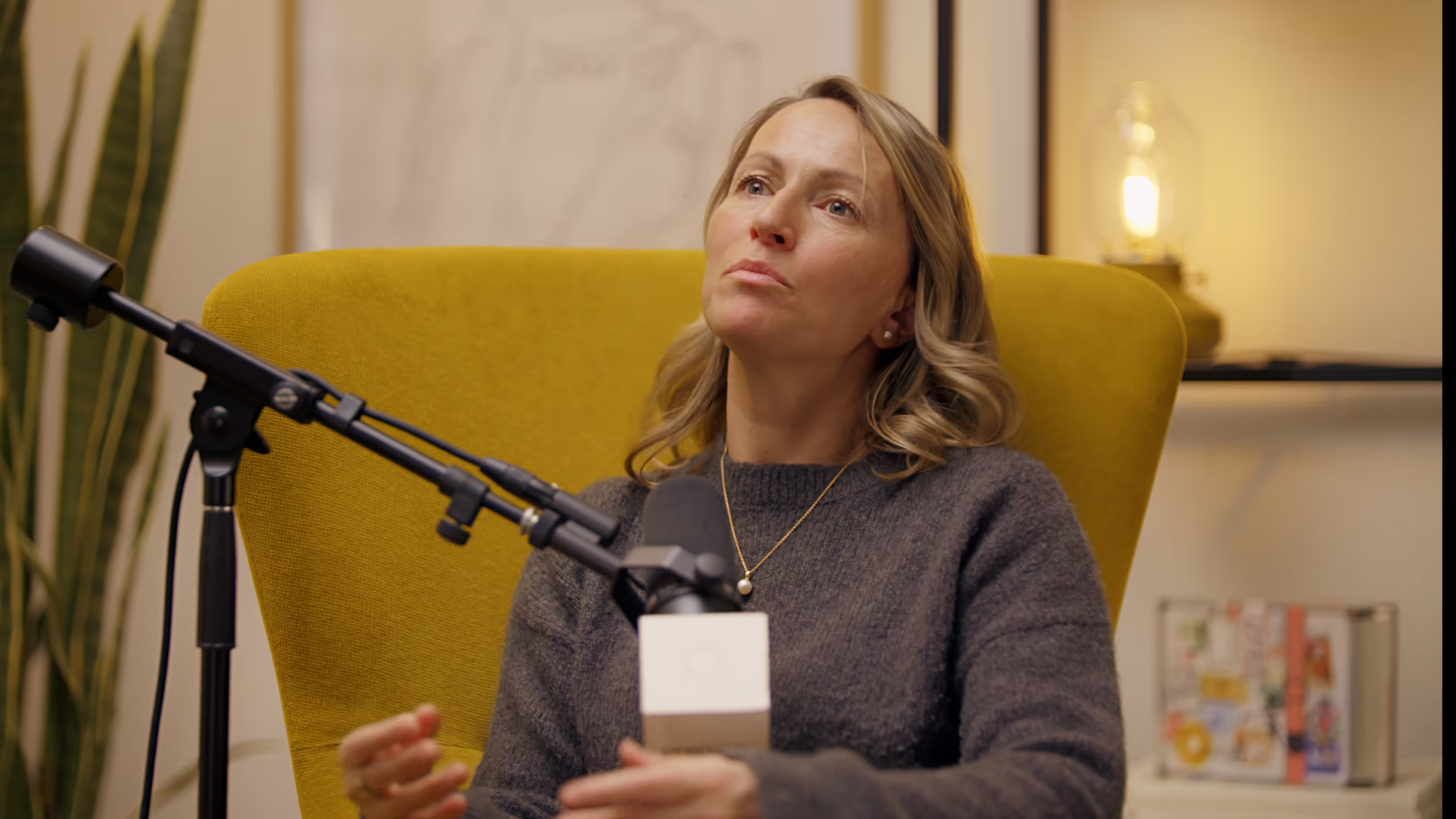
Going further: Hearing a health professional confirm that this pain is not "just in your head" can be a huge relief. To learn more about the musculoskeletal symptoms of perimenopause, listen to Dr. Catherine Bouchard share her expertise in our podcast, coming soon to leshistoiresprenato.ca.
Rather than relying on painkillers alone, it is possible to act on the causes of this joint and muscle discomfort.
When you are in pain, the instinct is often to slow down or stay still. Yet movement is genuine medicine.
Since inflammation plays a central role, your diet can become a powerful ally.
Hormones, and estrogen in particular, play a key role in the health of your muscles and joints.
This pain is not inevitable — it is a message your body is sending you. By listening to it and adopting the right strategies, you can not only ease the symptoms but also protect your health and your vitality for the years ahead.
Perimenopause and menopause are not stages to be endured in silence. Concrete solutions exist to help you regain your balance and your well-being. The team of specialists at Prenato, working closely with Dr. Catherine Bouchard, is here to support you, listen to you and build a personalized plan based on your needs.
Don't wait any longer to feel better. Book an appointment today at Prenato.ca/ to take stock of your hormonal health.
The prenato.ca website and the comprehensive information it contains are intended as practical tools for expectant and new parents, as well as for women throughout the various stages of their lives. This information is not intended to replace the skills, knowledge, or experience of qualified healthcare professionals who are familiar with the specific facts, circumstances, and symptoms of each individual. Consequently, Prenato and its staff cannot be held liable for any adverse effects or consequences resulting from the use of the information provided on this site. It is the user's responsibility to consult a physician or a qualified healthcare professional appropriate to their specific needs for any personal health concerns.
Immerse yourself in the adventure of your pregnancy and follow your baby's journey through our personalized emails. Every two weeks, receive updates that are unique and tailored to your pregnancy, allowing you to track your little one's growth and development stages. Take advantage of valuable advice and information to accompany each magical moment of this adventure!
Prenato needs the contact information you provide to us in order to contact you about our products and services. You can unsubscribe from these communications at any time. See our Privacy Policy to learn more about how we unsubscribe, as well as our privacy policies and our commitment to protection and privacy.

From motherhood to menopause, Prenato accompanies each stage of your life with kindness, expertise and innovation.