


2026
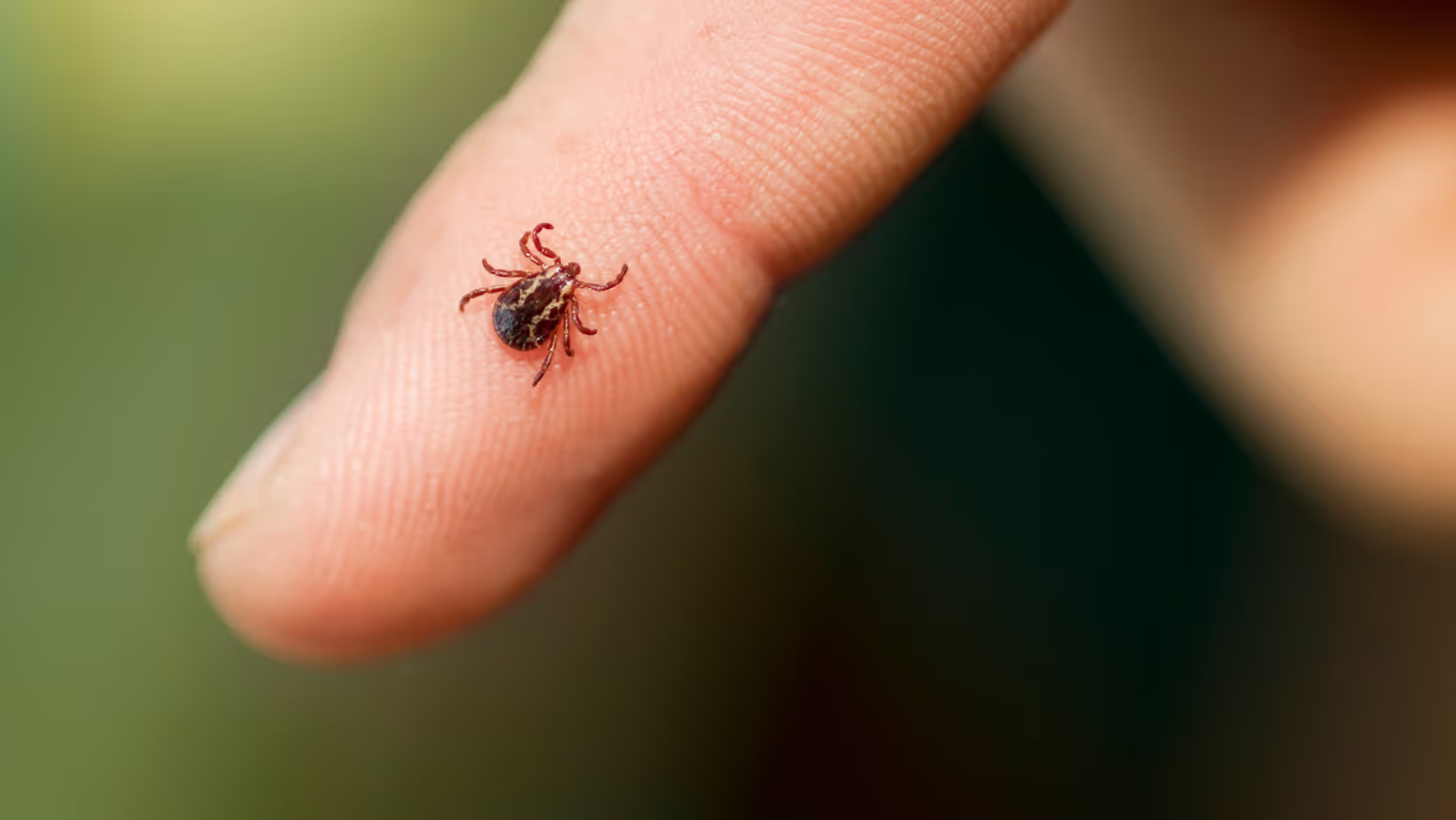
Lyme disease
No one is safe from being bitten by a tick on a beautiful summer day. Here are the details...

Parents often wonder which foods to start with and whether there's an order to follow. In practice, there's no set order for introducing foods. From a nutritional standpoint, though, at around 6 months of age a baby's iron stores gradually run down and their needs go up. Iron plays several important roles in a child's development. For that reason, it's recommended to serve iron-rich foods first, such as:
Once your child is eating iron-rich foods twice a day, you can introduce other foods (vegetables and fruit, grain products that aren't iron-fortified, and dairy products) to add variety to their diet. Even though meat is the richest source of iron, a vegetarian diet can also meet a baby's iron needs. Plant foods that contain iron (e.g. legumes, tofu) are well absorbed by a baby's body when they're eaten together with fruit or vegetables that are high in vitamin C. In general, foods are introduced following a certain progression in texture. The next section gives you some examples.
At around 6 months of age, the vast majority of babies will be ready to eat smooth pureed foods. Your baby will probably start with about 1 to 2 teaspoons of infant cereal mixed with breast milk or infant formula. As soon as your baby has accepted this new texture, you can gradually increase the amount of food you offer and reduce the amount of milk you add. Shortly after complementary feeding begins, at the end of the 6th month or the start of the 7th month, you can begin gradually changing the texture of foods, following your baby's pace. So once you see that your baby swallows smooth foods easily, you can move on to a thick puree texture. Later on, you'll be able to offer your baby foods in pieces and foods they can pick up with their fingers, as recommended in Canada's Food Guide.
Iron-fortified infant cereal (rice, barley, oat, wheat), Well-cooked pureed meats (beef, chicken, lamb, veal, pork, etc.), Well-cooked pureed fish (salmon, trout, etc.), Pureed tofu, Hard-boiled eggs, pureed yolk, Well-cooked pureed legumes (kidney beans, chickpeas, lentils, etc.), Well-cooked pureed vegetables (squash, carrots, sweet potatoes, green beans, broccoli, asparagus, etc.), Fresh or cooked ripe pureed fruit (bananas, peaches, pears, apples, etc.)
This texture is a puree with small pieces in it that mash easily. Every food offered as a smooth puree can also be offered as a thick puree.
Once your baby is able to chew, you can offer them foods cut into small pieces and foods prepared using baby-led weaning (also called BLW), if they're able to manage it. Foods in pieces can be described as foods that mash easily with the gums.
Examples:
The foods offered to a baby should be rich in energy and nutrients in order to meet their growing needs. In particular, a baby needs enough iron, zinc, protein and fat. The following foods provide several of these nutrients:
Don't forget to offer a variety of vegetables, fruit and grain products as well. Canada's Food Guide also recommends offering foods that contain mostly unsaturated fats rather than saturated fats. These nutritious foods include:
It's also recommended that your baby eat 150 grams of fish per week to support healthy development. As well, offering foods high in vitamin C at the same meal as plant-based iron-rich foods helps the body absorb the iron. Foods high in vitamin C include tomatoes, strawberries, citrus fruit (oranges and grapefruit), broccoli and peppers.
Certain foods and drinks should be avoided until your baby reaches a certain age:
If you have questions about your baby's diet or about the progression of textures, don't hesitate to consult a dietitian or your health professional.
The prenato.ca website and the comprehensive information it contains are intended as practical tools for expectant and new parents, as well as for women throughout the various stages of their lives. This information is not intended to replace the skills, knowledge, or experience of qualified healthcare professionals who are familiar with the specific facts, circumstances, and symptoms of each individual. Consequently, Prenato and its staff cannot be held liable for any adverse effects or consequences resulting from the use of the information provided on this site. It is the user's responsibility to consult a physician or a qualified healthcare professional appropriate to their specific needs for any personal health concerns.
No one is safe from being bitten by a tick on a beautiful summer day. Here are the details...
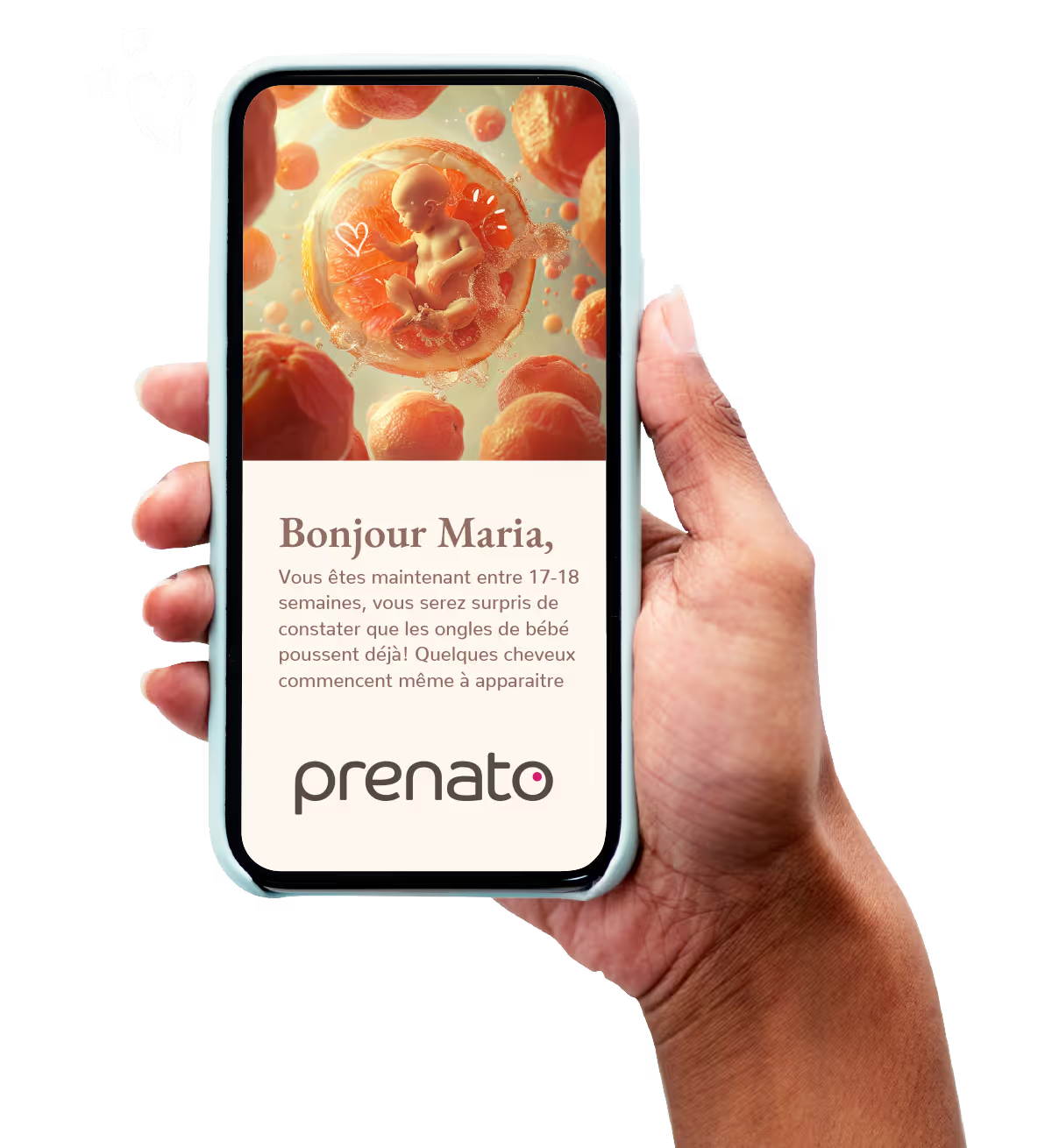
Immerse yourself in the adventure of your pregnancy and follow your baby's journey through our personalized emails. Every two weeks, receive updates that are unique and tailored to your pregnancy, allowing you to track your little one's growth and development stages. Take advantage of valuable advice and information to accompany each magical moment of this adventure!
Prenato needs the contact information you provide to us in order to contact you about our products and services. You can unsubscribe from these communications at any time. See our Privacy Policy to learn more about how we unsubscribe, as well as our privacy policies and our commitment to protection and privacy.

From motherhood to menopause, Prenato accompanies each stage of your life with kindness, expertise and innovation.
.avif)