2026
How to protect against mosquitoes: babies, pregnant and breastfeeding women
Category (s):
Baby
Postpartum
Pregnancy
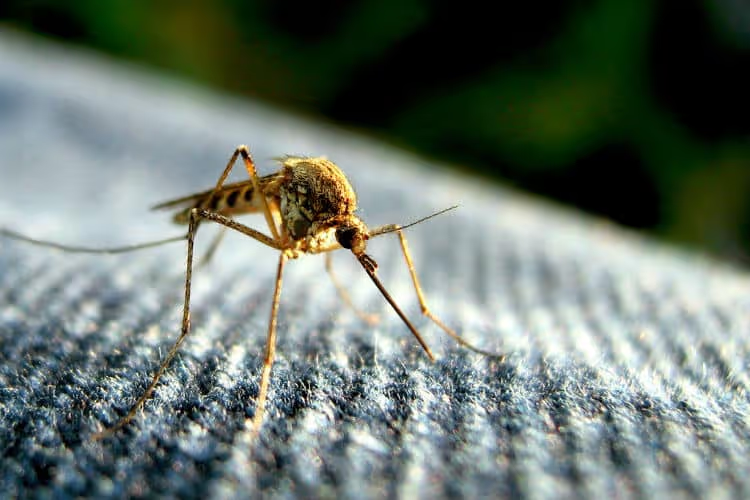
In the news, we often hear about the Zika virus, West Nile virus and other mosquito-borne illnesses. While the vast majority of mosquito bites are completely harmless, they can still lead to serious infections, especially during pregnancy. It's important to know how to protect yourself effectively and safely, particularly when you're pregnant, breastfeeding or caring for a baby.
For babies under 6 months, products containing DEET or other insect repellents are not recommended. Instead, opt for:
From 6 months on, you can use insect repellents containing DEET, but at a reduced concentration (10% maximum). Apply the product sparingly, avoid your baby's hands, eyes and mouth, and use it no more than once a day.
Pregnant women can safely use insect repellents containing DEET, according to Health Canada. The recommended concentration is 30% maximum. Protecting yourself is especially important if you're travelling in regions where the Zika virus or other mosquito-borne illnesses are present, since these infections can have serious consequences for fetal development.
Breastfeeding women can also safely use insect repellents containing DEET, at a recommended concentration of 30% maximum, limiting application to twice a day. DEET applied to the skin isn't absorbed into breast milk in any significant amount.
Some people prefer natural alternatives to chemical repellents:
Keep in mind that these natural products are generally less effective than DEET.
Call 911:
Protection against mosquitoes matters for the whole family, but especially for vulnerable groups. By combining different methods of protection, you can enjoy the summer safely.
The prenato.ca website and the comprehensive information it contains are intended as practical tools for expectant and new parents, as well as for women throughout the various stages of their lives. This information is not intended to replace the skills, knowledge, or experience of qualified healthcare professionals who are familiar with the specific facts, circumstances, and symptoms of each individual. Consequently, Prenato and its staff cannot be held liable for any adverse effects or consequences resulting from the use of the information provided on this site. It is the user's responsibility to consult a physician or a qualified healthcare professional appropriate to their specific needs for any personal health concerns.
Immerse yourself in the adventure of your pregnancy and follow your baby's journey through our personalized emails. Every two weeks, receive updates that are unique and tailored to your pregnancy, allowing you to track your little one's growth and development stages. Take advantage of valuable advice and information to accompany each magical moment of this adventure!
Prenato needs the contact information you provide to us in order to contact you about our products and services. You can unsubscribe from these communications at any time. See our Privacy Policy to learn more about how we unsubscribe, as well as our privacy policies and our commitment to protection and privacy.

From motherhood to menopause, Prenato accompanies each stage of your life with kindness, expertise and innovation.